

A sharp garden hoe is more than just a tool—it’s a gardener’s trusted partner. A dull hoe struggles to cut through soil, tears instead of slices weeds, and makes your work slow and tiring.
But many gardeners don’t realize that sharpening a garden hoe is simple, affordable, and doesn’t require fancy equipment. You only need a metal file and a few practical tips to restore your hoe’s cutting power.
Sharpening by hand gives you more control, helps your tool last longer, and keeps you connected to the care of your own garden gear.
If you’ve ever wondered why your hoe drags or skips across tough patches, or why weeds seem to resist your best efforts, a dull edge is often the cause. In this guide, you’ll learn how to sharpen a garden hoe with a metal file, step by step.
We’ll cover the tools you need, proper technique, safety, and maintenance tips that even experienced gardeners sometimes overlook. By the end, you’ll have the confidence and knowledge to keep your hoe razor-sharp all season.
Why Sharpening Matters?

A garden hoe’s edge faces constant friction, rocks, and hard roots. Over time, this wears down the blade, making it blunt. A sharp hoe offers several key advantages:
- Efficiency: Cuts through soil and weeds with less effort.
- Precision: Reduces damage to neighboring plants.
- Safety: Less force needed means better control and fewer accidents.
- Tool Longevity: Regular sharpening prevents deep nicks and rust, extending your hoe’s life.
Surprisingly, many gardeners use dull hoes for years, not realizing the extra strain and time involved. This is one of the most common mistakes, and the fix is both quick and low-cost.
Also Read: Does Ace Hardware Sharpen Garden Tools?
Garden Hoe Sharpeners You Can Buy


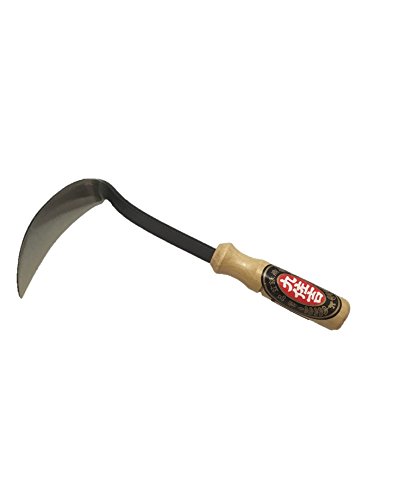


Tools And Materials You Need
Before sharpening, gather the right tools. Each item plays an important role:
- Metal file: Choose a flat mill file, 8 to 12 inches long. Double-cut files remove metal faster, but a single-cut file is easier for beginners.
- Sturdy work gloves: Protect your hands from sharp edges and file slips.
- Eye protection: Tiny metal filings can fly off while sharpening.
- Wire brush or steel wool: Used to clean dirt and rust from the blade before sharpening.
- Clamp or vise: Holds the hoe steady for safe, even filing.
- Clean rag: For wiping the blade and applying oil.
- Lubricating oil: Prevents rust after sharpening.
- Work bench or sturdy table: Provides a stable surface.
- Optional: Sharpening stone: For a finer edge after filing (not essential but helpful).
Having these tools ready ensures the process is smooth and safe. Don’t skip gloves or eye protection—small accidents can turn a simple task into a trip to the doctor.
A clean surface is essential before sharpening. Dirt, sap, or rust can clog your file and make your work uneven. Here’s how to prep your hoe:
- Clean the blade: Use a wire brush or steel wool to scrub off soil, rust, and plant material. For stubborn rust, add a little water or a few drops of oil.
- Dry thoroughly: Wipe the blade with a clean rag. Moisture leads to rust and makes the file less effective.
- Inspect the edge: Look for nicks, dents, or bends. Minor nicks can be filed out, but deep damage may require professional repair or replacement.
- Secure the hoe: Clamp the hoe blade (not the handle) to your work bench. The bevel (sloped edge) should face upward and outward, making it easy to file.
Many beginners skip cleaning, but this step makes sharpening much easier and protects your file from damage.
Understanding The Hoe Blade And Bevel Angle

Not all hoes are shaped the same. Most common hoes have a beveled edge—a sloped surface on one side of the blade. The correct bevel angle is usually between 20 and 30 degrees. This angle balances sharpness and blade strength.
- Too sharp (steep angle): Cuts well but may chip or wear quickly.
- Too blunt (shallow angle): Lasts longer but requires more force to cut.
A good rule: Match the existing angle of your hoe blade. Don’t try to create a razor-thin edge unless you’re using the hoe for fine, shallow weeding.
| Hoe Type | Typical Bevel Angle | Blade Use |
|---|---|---|
| Standard Draw Hoe | 25° | General soil and weeding |
| Swan Neck Hoe | 20° | Precision weeding |
| Stirrup (Oscillating) Hoe | 30° | Heavy weed removal |
Matching the angle keeps your hoe strong and effective for your specific gardening needs.
How To Sharpen A Garden Hoe With A Metal File?
Now you’re ready for the main event. Follow these steps for a sharp, long-lasting edge:
1. Position The File
Hold the metal file with both hands—one on the handle, one at the tip. Place it against the beveled edge of the hoe at the same angle as the existing bevel, usually about 25 degrees.
2. File In One Direction
Push the file along the edge, away from your body. Use long, smooth strokes, covering the entire length of the blade. Do not saw back and forth; single-direction strokes keep the edge even.
- Apply steady, medium pressure.
- Lift the file at the end of each stroke; don’t drag it back across the edge.
3. Check Your Progress
After 6–10 strokes, pause to check the edge. A shiny, fresh strip of metal should appear along the bevel. Keep filing until this strip runs the full length of the blade. Most hoes need 20–40 strokes for a good edge, depending on dullness.
4. Smooth The Burr
Filing creates a burr—a small, rough ridge on the underside of the blade. Flip the hoe over and gently run the file flat along the back to remove this burr. Two or three light passes are enough.
5. Optional: Refine With A Stone
For an extra-smooth edge, use a sharpening stone in the same direction as your file strokes. This step isn’t essential for most garden work, but it can make slicing even easier.
6. Test The Edge
Carefully run your thumb (sideways, not along the edge) to feel for sharpness. A well-sharpened hoe will “bite” into your nail with gentle pressure.
7. Oil The Blade
Rub a few drops of lubricating oil on the blade using your rag. This step prevents rust and keeps the edge clean.
Sharpening a hoe usually takes 10–20 minutes, even for beginners. With practice, you’ll need less time as your skills improve.
Safety Tips For Sharpening
Working with sharp tools and metal files carries some risks. Follow these tips to stay safe:
- Always wear sturdy gloves and eye protection.
- Secure the hoe firmly before filing—never hold it by hand.
- Keep fingers away from the blade’s edge.
- File in a direction that moves away from your body.
- Take breaks if your hands get tired; tired hands slip more easily.
- Store the metal file in a dry place—files can rust, too.
It’s easy to get focused and forget safety, but a little caution prevents serious injuries.
Common Mistakes And How To Avoid Them
Even experienced gardeners sometimes make errors that lead to uneven or dull edges. Here are the most frequent mistakes:
- Filing back and forth: This creates a jagged edge and wears out your file faster. Always use single-direction strokes.
- Wrong angle: Filing too flat or too steep changes the blade’s shape. Stick to the original bevel angle.
- Skipping cleaning: Dirt or rust blocks the file and makes sharpening uneven.
- Ignoring the burr: Leaving the burr can cause the blade to roll or chip during use.
- Over-sharpening: Removing too much metal weakens the blade and shortens the hoe’s life.
- Not oiling after sharpening: This step is essential to prevent rust, especially if you store tools in a damp place.
Learning from these mistakes saves time and money in the long run.
Comparing Sharpening Tools: Metal File Vs. Other Methods
Some gardeners wonder if they should buy a grinder, bench stone, or special sharpening tools. Here’s how a metal file compares to other common methods:
| Method | Cost | Skill Needed | Edge Quality | Portability |
|---|---|---|---|---|
| Metal File | Low | Beginner | Good | High |
| Bench Grinder | Medium-High | Intermediate | Excellent | Low |
| Sharpening Stone | Low | Beginner | Very Good | High |
| Professional Service | High | None | Excellent | N/A |
A metal file is the best choice for most home gardeners because it’s affordable, easy to learn, and doesn’t require electricity.
How Often Should You Sharpen Your Hoe?
Frequency depends on use and soil type. If you use your hoe every week, sharpen once a month. Sandy or rocky soil dulls blades faster, so check the edge more often.
Signs it’s time to sharpen:
- The hoe skips or drags instead of slicing.
- Weeds are not cut cleanly.
- The edge feels rounded or rough to the touch.
For light garden work, sharpening 2–3 times a season is usually enough. If you notice the hoe losing its bite, a quick touch-up can restore performance.
Maintaining Your Garden Hoe After Sharpening
Proper maintenance keeps your hoe sharp and extends its life. Here are the essential steps:
- Clean after each use: Wipe off soil and sap with a rag or brush.
- Dry thoroughly: Moisture causes rust, especially on sharpened edges.
- Store in a dry place: Hang on a wall or keep off the ground.
- Oil regularly: A light coat of oil after each sharpening (or once a month) prevents rust.
- Inspect for damage: Check for cracks, bends, or loose handles.
Many gardeners overlook regular cleaning and oiling, which is why their tools rust or wear out prematurely.
Special Tips For Different Hoe Types
Hoes come in various shapes, each with unique sharpening needs:
- Draw hoe: Standard flat blade; sharpen only the beveled edge.
- Stirrup hoe: Both edges may need sharpening; file each side evenly.
- Warren hoe: Triangular blade; follow the original bevel shape.
Don’t sharpen both sides unless your hoe was designed that way. Most garden hoes are single-bevel for strength and safety.
Real-life Example: The Difference A Sharp Hoe Makes
Consider a vegetable garden with compacted soil. A dull hoe bounces off weeds and takes twice the effort to break the ground. After a proper sharpening, the same hoe slices cleanly, uproots weeds in one pass, and leaves the soil smooth.
Gardeners often report that tasks that once took an hour can be finished in half the time, with less fatigue and better results.
If you’re struggling with weeding or soil preparation, a sharp hoe could be the easiest upgrade you make this season.
Common Questions From Beginners
Many first-time sharpeners are unsure about technique, tools, and how sharp their hoe should be. Here are two insights most guides miss:
- Old files can be reconditioned: If your metal file feels dull, clean it with a file card or stiff brush. Sometimes, soaking in vinegar removes built-up metal.
- Don’t over-polish: A mirror finish isn’t necessary for garden tools. A slightly rough edge actually helps slice through roots and soil better.
These tips save you time and help you get more life from your sharpening tools.
Troubleshooting: If Your Hoe Won’t Get Sharp
If you follow all the steps but your hoe stays dull, check for these problems:
- File is worn out: Metal files lose their bite after many uses. Try a new file.
- Edge is nicked or bent: Deep damage may require a grinder or replacement blade.
- Wrong angle: Filing too shallow won’t create a cutting edge.
- Too much rust: Severe rust can pit the blade. Remove as much as possible before sharpening.
Sometimes, older hoes are made from softer steel and simply won’t hold a sharp edge for long. In that case, regular touch-ups are your best option.
When To Replace Your Hoe?
A well-maintained hoe can last for decades, but sometimes replacement is necessary. Signs it’s time for a new tool:
- The blade is worn so thin it flexes or cracks.
- Deep chips or breaks cannot be filed out.
- The handle is loose and won’t stay fixed with wedges or screws.
- Large areas of rust have weakened the metal.
A new hoe is an investment, but with regular sharpening, your next one will serve you well for many years.
Environmental And Cost Benefits Of Sharpening
Sharpening your own hoe is sustainable and cost-effective. Instead of buying new tools every few years, you keep your existing gear in top shape. This reduces waste and saves money. A good quality metal file costs less than $20, and with care, lasts for years.
Professional sharpening services can cost $10–$20 per tool. Doing it yourself means more control and faster results. Over time, these savings add up.
Summary Of Key Steps And Benefits
To recap, sharpening a garden hoe with a metal file is simple, effective, and requires only basic tools. The process:
- Clean and dry the hoe.
- Secure the blade and file at the correct angle.
- Use single-direction strokes.
- Remove the burr and oil the blade.
- Maintain regularly for best results.
A sharp hoe saves time, reduces strain, and improves your gardening results. Most importantly, it keeps you in touch with your tools—a key part of skillful gardening.
For more on tool maintenance and sharpening, see this helpful guide from the Wikipedia: Garden tool.
Frequently Asked Questions
How Sharp Should My Garden Hoe Be?
Your hoe should be sharp enough to easily slice through weeds and soil, but not razor-sharp like a knife. A slightly rough edge is ideal for cutting plant roots and working in the garden safely.
Can I Use A Power Grinder Instead Of A Metal File?
Yes, a bench grinder or angle grinder can sharpen hoes quickly, but they require more skill and can easily overheat or damage the blade. For most gardeners, a metal file is safer and gives better control.
How Do I Know If My Hoe Is Too Sharp?
If the edge is so thin that it chips or rolls during use, it’s too sharp. Stick to the original bevel angle and avoid grinding the blade to a razor edge. A garden hoe should be durable, not delicate.
What If My Hoe Is Very Rusty?
Remove as much rust as possible with a wire brush or steel wool before sharpening. Severe rust may weaken the blade; in some cases, replacement is safer. Light rust can usually be filed away during sharpening.
How Do I Store My Hoe To Keep It Sharp?
After each use and sharpening, clean and dry your hoe, oil the blade, and store it in a dry place, preferably hanging on a wall or rack. This prevents rust and keeps the edge in good condition until the next use.
Sharpening your garden hoe with a metal file is a simple habit that brings lasting benefits to your garden and your health. With the right knowledge and care, your hoe will be ready for every challenge, season after season.

Sabbir Ahmed is an experienced gardener and the lead voice behind GardenToolsGuide.com, where he combines over 15 years of hands-on horticultural expertise with a passion for sustainable cultivation. Specializing in organic soil health and permaculture, Sabbir has dedicated his career to testing and refining the best methods for maintaining thriving green spaces. His mission is to simplify the complexities of gardening by providing practical, tool-focused advice that helps fellow enthusiasts—from beginners to seasoned pros—grow nutrient-dense food and beautiful landscapes with efficiency and ease.