

Every gardener dreams of a healthy, productive tomato patch. But sometimes, even with the best care, tomato plants fall victim to diseases like tomato blight. This destructive infection can wipe out a season’s work in just a few weeks.
What many don’t realize is that one of the main ways blight spreads is through contaminated garden tools. Pruners, trowels, and stakes can carry invisible spores from one plant to the next, silently fueling an outbreak.
Sanitizing your garden tools is more than just a good habit; it’s a frontline defense against blight. Yet, many gardeners aren’t sure about the best methods, common mistakes, or how often to clean their tools.
This guide will walk you through everything you need to know to keep your tomatoes — and your garden — safe from blight.
Understanding Tomato Blight
Tomato blight refers to several fungal diseases that attack tomato plants, most commonly early blight (*Alternaria solani*) and late blight (*Phytophthora infestans*). These diseases cause brown spots, leaf yellowing, fruit rot, and can destroy an entire crop quickly.
Blight spores can survive on dead plant material, in the soil, and especially on tools. When you cut or handle infected plants, spores stick to your tools.
Next time you use them, you risk spreading the infection to healthy plants. That’s why sanitizing garden tools is essential, not optional.
Also Read: How to Use a Flame Weeder Safely in Mulch?
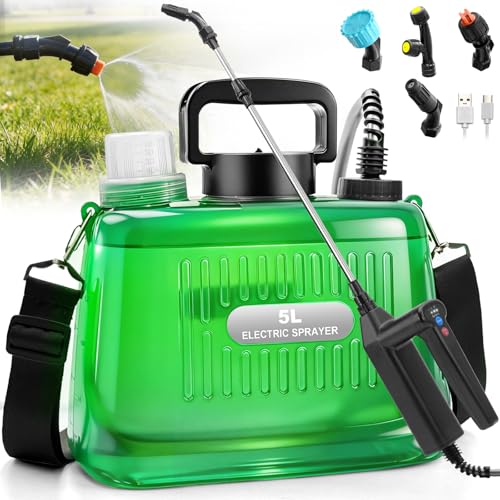
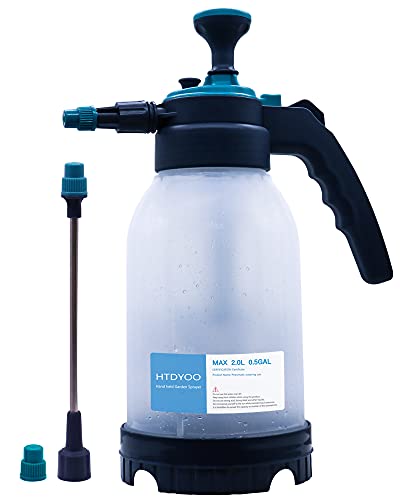
Disinfecting Spray for Garden Tools You Can Buy





Why Tool Sanitation Matters In Fighting Blight?

Many gardeners focus on watering and fertilizing but overlook tool hygiene. Here’s why it’s crucial:
- Blight is highly contagious. Spores transfer easily from one plant to another.
- Invisible contamination. Even if tools look clean, they can harbor microscopic spores.
- Simple mistakes can cause outbreaks. Using the same pruners on healthy and sick plants is enough to spread blight.
A study by the University of California found that cleaning tools between every tomato plant reduced blight spread by over 60%. Regular sanitation is a powerful, low-cost method to protect your garden.
Common Misconceptions About Tool Cleaning
There’s a lot of confusion about tool cleaning. Let’s clear up the most common myths:
1. “wiping Tools Is Enough.”
Dirt removal is not the same as disinfection. Pathogens can survive on surfaces even after wiping.
2. “rain Washes Away Diseases.”
Rain can actually help spread spores, not remove them.
3. “only Visible Rust Or Sap Is A Problem.”
Many blight spores are invisible. Tools may look clean but still carry disease.
4. “sanitizing Once A Season Is Enough.”
For tomatoes, tools should be sanitized before every use and between plants if blight is present.
Knowing what doesn’t work is as important as knowing what does.
When And How Often To Sanitize Garden Tools

Timing matters when it comes to tool sanitation. Here’s a practical schedule:
- Before the growing season: Disinfect all tools before first use.
- Before working on tomatoes: Always sanitize pruners, stakes, and trowels.
- Between plants: If you see any blight symptoms, clean tools after each plant.
- After handling infected plants: Sanitize immediately to avoid spreading spores.
- End of season: Deep clean all tools before storage.
This might sound like a lot, but it only adds a few minutes to your routine and can save your tomato crop.
Supplies Needed For Effective Tool Sanitation
You don’t need expensive equipment. Most items are easy to find:
- Stiff brush or old toothbrush (for scrubbing dirt)
- Clean cloth or paper towels
- Bucket or spray bottle
- Disinfectant solution (household bleach, rubbing alcohol, or commercial sanitizer)
- Protective gloves (to avoid skin irritation)
- Eye protection (if using bleach)
Keep these supplies in a kit near your garden for convenience.
Choosing The Right Sanitizing Solution
Not all cleaning solutions are equally effective. Here’s a quick comparison:
| Solution | Effectiveness Against Blight | Safety | Cost | Ease of Use |
|---|---|---|---|---|
| Household bleach (10%) | High | Wear gloves, can corrode metal | Low | Easy, but rinse tools after |
| Rubbing alcohol (70%) | High | Less corrosive, flammable | Medium | Very easy, no rinse needed |
| Pine oil cleaner | Medium | Safer, but less effective | Medium | Easy, pleasant smell |
| Hydrogen peroxide (3%) | Medium | Safe, but less effective | Low | Easy, no rinse needed |
| Commercial garden sanitizer | High | Safe if used as directed | High | Very easy |
Bleach is the most common choice, but it can damage tools over time. Rubbing alcohol is fast and doesn’t need rinsing. If you use bleach, always rinse tools with water after soaking to prevent rust.
Step-by-step: How To Sanitize Garden Tools
Proper sanitation is a process, not just a quick spray. Follow these steps for best results:
1. Remove Dirt And Sap
Start by using a stiff brush or old toothbrush to scrub away soil, plant sap, and debris. Blight spores stick to organic material, so this step is vital. Wipe tools with a damp cloth to finish.
2. Prepare Your Disinfectant
- For bleach: Mix 1 part household bleach (5-6% sodium hypochlorite) with 9 parts water (for a 10% solution).
- For rubbing alcohol: Use full-strength 70% isopropyl alcohol.
- For commercial sanitizers: Follow package instructions exactly.
Always wear gloves and work in a well-ventilated area.
3. Soak Or Wipe Tools
- Soak: Submerge metal parts in the disinfectant for at least 1 minute (up to 5 for bleach).
- Wipe: For larger items, spray or wipe thoroughly with disinfectant. Make sure all surfaces are wet.
Don’t skip tool joints or crevices — these are favorite hiding spots for spores.
4. Rinse And Dry
If you use bleach, rinse tools with clean water to avoid corrosion. Alcohol and most commercial solutions don’t require rinsing. Dry tools completely with a cloth or let them air dry in the sun. Moisture can cause rust and help pathogens survive.
5. Lubricate Moving Parts
After drying, apply a light oil (like WD-40 or vegetable oil) to hinges and blades. This prevents rust and keeps tools working smoothly.
6. Store Properly
Keep tools in a dry place. Hanging them up, or storing in a bucket of sand mixed with oil, helps protect metal parts.
Practical Tips For Busy Gardeners
You don’t have to sanitize every tool every day. Focus on these:
- Prioritize tools used on tomatoes, potatoes, and peppers (all nightshades, which share diseases).
- Carry a spray bottle of rubbing alcohol for quick cleaning between plants.
- Use color-coded handles or tape for tools used on healthy vs. sick plants.
- Schedule a monthly deep-clean session for all tools.
Even small steps make a difference in preventing blight.
Special Considerations For Different Tools
Not all tools are the same. Some need extra attention:
Pruners And Shears
These have joints and springs where sap and spores collect. Disassemble if possible and scrub each part. Use a cotton swab to reach tight spaces.
Stakes, Cages, And Trellises
Blight spores can stick to wood or metal supports. Wipe or spray with disinfectant at the start and end of each season. For serious outbreaks, soak supports in bleach solution.
Watering Cans And Hoses
Spores can live in leftover water. Flush cans and hoses with a disinfectant solution monthly, especially if watering near infected plants.
Gloves And Aprons
Wash fabric gloves and aprons in hot water and detergent. Spores can stick to fabric and transfer to hands and tools.
How Tool Sanitation Compares To Other Blight Controls?
How does tool cleaning stack up against other blight controls? Here’s a quick comparison:
| Method | Blight Prevention Effectiveness | Effort Required | Cost |
|---|---|---|---|
| Tool Sanitation | High | Low-Moderate | Low |
| Crop Rotation | High | High (requires planning) | Low |
| Fungicide Spray | Medium-High | Moderate | Medium |
| Removing Infected Plants | High | Moderate | Low |
| Mulching | Medium | Low | Low |
| Drip Irrigation | Medium | High (setup) | High |
Tool sanitation offers a high return on a small investment of time and money. It works best when combined with other methods like crop rotation and removing infected plants.
Two Insights Beginners Often Miss
- Sanitizing between each plant matters most when you see disease.
Many skip this, thinking it’s overkill. But when blight is present, every cut can transfer the fungus. A quick alcohol wipe or dip between plants can stop an outbreak.
2. Soil On Tools Protects Blight Spores From Disinfectants.
Even a thin film of dirt can shield spores from bleach or alcohol. Always remove soil before disinfecting — it’s not just about appearances.
Mistakes To Avoid When Sanitizing Tools
- Rushing the process. Not soaking tools long enough means some spores survive.
- Skipping tool joints and hinges. These are common hiding spots for pathogens.
- Forgetting to dry tools. Wet tools can rust and harbor disease.
- Using bleach on aluminum or painted tools. Bleach can damage some materials; use alcohol instead.
- Storing tools while wet. Always let tools air dry before putting them away.
The Role Of Garden Hygiene Beyond Tools
Sanitizing tools is vital, but it’s only part of a bigger picture. Here are other practices to adopt:
- Remove all infected plant material immediately. Do not compost blight-infected plants.
- Rotate crops each year to avoid soil-borne blight.
- Water at the base of plants to keep leaves dry.
- Mulch to reduce soil splash, which can carry spores.
- Plant blight-resistant tomato varieties when possible.
Good tool hygiene works best as part of an overall integrated disease management plan.
Real-world Examples: How Tool Sanitation Prevented Outbreaks
At a community garden in Illinois, a late blight outbreak in 2021 was traced to shared pruning shears. After switching to strict tool sanitation, infection rates dropped from 40% to under 10% the next year.
A home gardener in Maine reported losing her entire tomato crop to blight in 2022. The following season, she sanitized tools between every plant and avoided any blight symptoms, despite a wet summer.
These stories show that small changes in habit can make a big impact.
How To Make Sanitation Easy And Routine?
- Set up a sanitation station at the garden entrance with a bucket of disinfectant, brushes, and cloths.
- Attach a spray bottle of alcohol to your belt or tool bag.
- Make a checklist on your phone or in your shed.
- Get family or helpers involved by showing them the process.
- Reward yourself for sticking to the routine — healthy tomatoes are worth it.
Turn sanitation into a habit, not a chore.
The Science Behind Blight And Tool Disinfection
Research shows that both early and late blight spores can survive on stainless steel, plastic, and wood for up to 72 hours. A study published in Plant Disease Journal found that a 1-minute soak in 10% bleach killed 99. 8% of spores.
Alcohol and hydrogen peroxide are also effective, but bleach remains the gold standard.
For more details, you can visit Wikipedia’s Tomato Blight page, which summarizes recent research and solutions.
Frequently Asked Questions
How Often Should I Sanitize Tools During A Blight Outbreak?
During a blight outbreak, sanitize tools after every use and between every tomato plant if possible. This is especially important when you prune, stake, or touch infected plants.
What Is The Best Solution For Disinfecting Garden Tools?
A 10% bleach solution (1 part bleach to 9 parts water) is most effective, but 70% rubbing alcohol works well and is less corrosive. Always rinse tools after using bleach to prevent rust.
Can I Use Vinegar To Sanitize Garden Tools?
Vinegar has some antibacterial properties, but it is not effective against fungal spores like blight. Stick with bleach, alcohol, or commercial garden sanitizers for reliable results.
Do Wooden Handles Need To Be Sanitized?
Yes. Blight spores can cling to wood. Wipe handles with disinfectant, especially if they have come into contact with infected plants. Sanding rough handles can also help remove spores.
Is Tool Sanitation Still Important If I Grow Blight-resistant Tomatoes?
Yes. Blight-resistant varieties lower the risk but do not eliminate it. Spores can still infect other plants, and resistance can break down. Always sanitize tools for best results.
Keeping your garden tools clean and sanitized may seem like a small task, but it’s one that pays off in healthy, blight-free tomatoes. By following these detailed steps and making sanitation part of your gardening routine, you protect not just your plants, but your entire gardening season.
Remember, every minute spent cleaning tools is an investment in your harvest’s future.

Sabbir Ahmed is an experienced gardener and the lead voice behind GardenToolsGuide.com, where he combines over 15 years of hands-on horticultural expertise with a passion for sustainable cultivation. Specializing in organic soil health and permaculture, Sabbir has dedicated his career to testing and refining the best methods for maintaining thriving green spaces. His mission is to simplify the complexities of gardening by providing practical, tool-focused advice that helps fellow enthusiasts—from beginners to seasoned pros—grow nutrient-dense food and beautiful landscapes with efficiency and ease.