
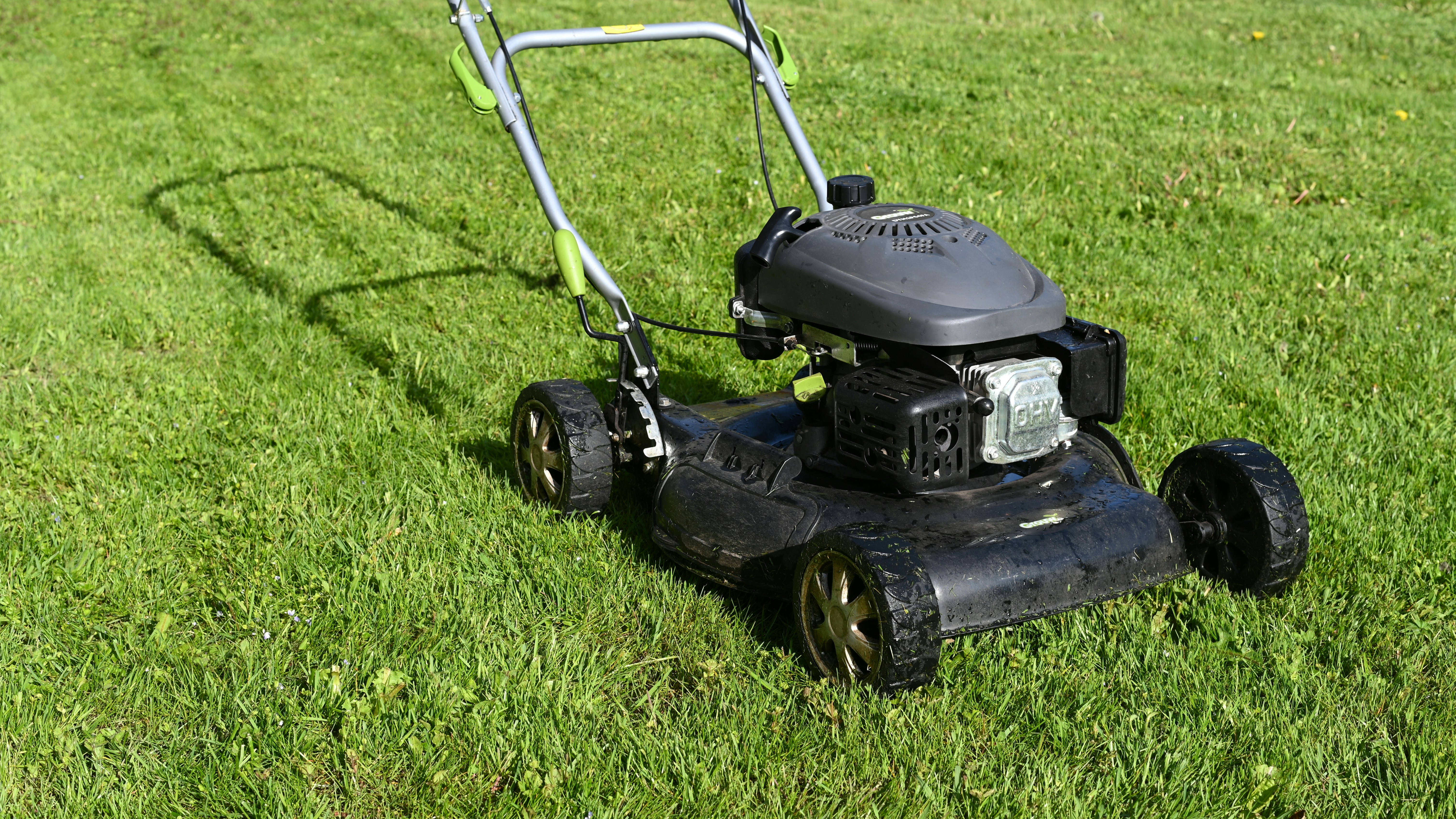
Introduction to Lawn Mower Blade Maintenance
Lawn mower blades require regular maintenance to ensure the optimal performance of your lawn care equipment. The sharpness of the blades plays a critical role in achieving a neatly trimmed lawn.
When blades become dull, they do not cut grass cleanly but instead tear or shred the grass blades, resulting in a ragged appearance.
The impact of dull mower blades extends beyond aesthetics. A poorly maintained lawn can lead to increased susceptibility to disease and pests, as shredded grass is often more vulnerable.
Furthermore, a dull blade requires more power to operate, which can result in increased fuel consumption and strain on the mower’s engine. This can shorten the lifespan of the mower and result in costs related to repairs or replacement.
Sharpening lawn mower blades is a fundamental routine that should not be overlooked. However, the traditional approach to sharpening—removing the blades from the mower—can be time-consuming and physically demanding.
Fortunately, there are techniques to sharpen the blades without removing them. This method not only saves time but also allows for greater convenience, especially for homeowners who perform regular lawn care.
By maintaining sharp blades, you enhance the overall efficacy of your mowing sessions, ensuring a clean cut that promotes healthy grass growth. As grass remains unharmed, it has a better chance to recover quickly after mowing, resulting in a lush lawn.
In this blog post, we will explore various techniques and tools that allow you to sharpen your lawn mower blades efficiently without the need for removal, ensuring your lawn mower operates at its best.
Also Read: Garden Twine & Twist Ties: Essential Tools for Every Gardener
Understanding the Tools You’ll Need
Sharpening lawn mower blades while they are still attached can be a practical way to maintain optimal cutting performance without the hassle of complete disassembly. To achieve effective results, it is essential to utilize the appropriate tools for this task.
One of the primary tools you will require is a metal file. A flat or round metal file can be extremely useful for honing the blade’s cutting edge. When using a metal file, ensure that the blade is clean and free from debris. This tool provides a manual method of sharpening that offers precise control over the angle and degree of sharpness.
In addition, a sharpening stone is another indispensable tool. Sharpening stones are available in various grits, enabling you to achieve a finer edge on the blades. When utilizing a sharpening stone, it’s important to maintain the correct blade angle, typically between 30 to 45 degrees, during the sharpening process.
A rotary tool with a sharpening attachment is another excellent option for those seeking speed and efficiency. Rotating at high speeds, these tools can quickly grind down the blade edges. However, caution is required, as overheating the blade can alter its temper, leading to reduced effectiveness and life span.
When selecting these tools, consider their ease of use, durability, and compatibility with your specific mower model. Additionally, always prioritize safety; wear appropriate protective gear, including gloves and safety glasses, to prevent injuries during the sharpening process.
By equipping yourself with the right tools and techniques, you can enhance your mower’s performance and extend its longevity.
Safety Precautions to Consider
When it comes to sharpening your lawn mower blades without removing them, prioritizing safety is paramount. Engaging in this task involves handling potentially sharp objects, which necessitates proper protective gear.
Before beginning, ensure that you are wearing safety glasses to shield your eyes from metal shavings or debris that might become airborne during the sharpening process. Additionally, consider wearing gloves designed for heavy-duty tasks—these can prevent cuts and other injuries when you are in close proximity to the blade.
Equally important is ensuring that the mower is powered down. Turn off the mower and remove the key, if applicable, to prevent any accidental starts while you are working.
Taking this precaution eliminates the risk of injury from sudden motor operation, which can happen inadvertently if the mower is left running. Let the engine cool down completely before you begin; this is crucial as hot components can cause serious burns.
Before starting the sharpening process, take a moment to inspect your workspace for any loose items that may become a tripping hazard. It is advisable to clear the area around the mower, ensuring that there are no tools or equipment that could interfere while you are focused on the task.
Keeping a clean and organized work environment can greatly enhance safety and concentration. Furthermore, always have a first aid kit readily available just in case of any accidents.
Following these safety precautions will not only protect you but will also contribute to a more efficient sharpening process. By adhering to these guidelines, you can confidently sharpen your lawn mower blades while minimizing risks effectively.
Step-by-Step Guide to Sharpening Blades in Place
Sharpening lawn mower blades without removing them can be a practical approach to lawn maintenance, saving both time and effort. Following a careful process ensures that the blades are honed effectively, maintaining their sharpness and performance. Below is a detailed guide on how to accomplish this task efficiently.
First, ensure that your lawn mower is turned off and the spark plug is disconnected to prevent accidental starting. For safety, you should also wear protective gloves and eyewear to guard against metal shavings while working on the blades.
To access the blades, flip the lawn mower onto its side with the air filter facing upwards, which will prevent any oil from leaking into the air filter.
Next, inspect the blades for any visible damage or unusually deep nicks. Use a metal file or sharpening stone; positioning it at a 30 to 45-degree angle against the cutting edge of the blades is essential for effective sharpening.
Begin at one side of the blade and move towards the tip in a smooth, sweeping motion, applying gentle pressure. It is important to maintain consistency in the angle throughout the sharpening process to ensure an even edge.
As you sharpen, periodically check the blade tension by pushing down slightly to ensure it remains steady. This adjustment is crucial, as an uneven sharpening can lead to poor cutting performance.
Perform the same process on the opposite side of the blade to maintain balance. If any stubborn rust or build-up is found on the blade, consider using a wire brush to clean it before proceeding with sharpening; this can enhance the effectiveness of the blade edge.
After sharpening, clean the blades with a damp cloth to remove any metal filings before returning the mower to its upright position. This attention to detail not only extends the life of your mower blades but also contributes to a healthier lawn through more efficient cutting.
Inspecting Blades for Damage
Before proceeding with sharpening your lawn mower blades, it is crucial to conduct a thorough inspection for any signs of damage.
Blades can acquire various forms of wear and tear, such as nicks, bends, or even rust, which can impair their functionality. By identifying these issues early on, you can ensure that the sharpening process is both effective and safe.
To begin with, visually inspect the blades while they are still attached to the mower. Look for nicks or small dents along the cutting edge, which can indicate impacts from rocks, sticks, or other debris encountered during mowing.
These nicks not only hinder the blades’ performance but can also lead to uneven cutting, leaving your lawn looking patchy. A simple touch can help you feel for any irregularities; if a blade feels jagged rather than smooth, it likely requires attention.
Additionally, check for any bends in the blades. A bent blade can significantly affect the cutting quality and may necessitate replacement, especially if the bend is severe.
If minor bends are detected, they can sometimes be carefully straightened using a pair of pliers, though extreme caution is advised not to further damage the blade.
Rust is another common issue that can compromise the integrity of lawn mower blades. If you notice any rust spots, it is important to address these promptly.
Depending on the extent of the rust, you may be able to remove it with a wire brush and then apply a protective coating to prevent further corrosion. This maintenance step will prolong the lifespan of your blades and enhance their cutting efficiency.
By carefully inspecting for damage before sharpening, you can ensure your lawn mower blades are in optimal condition, ready to provide a clean and healthy cut to your lawn.
Cleaning Blades Before and After Sharpening
Proper maintenance of your lawn mower involves not only sharpening the blades but also ensuring they are clean before beginning the sharpening process. Dirt, grass clippings, and other debris can significantly hinder the effectiveness of sharpening.
Residual buildup may create an uneven surface that can lead to an inaccurate sharpening result. Therefore, cleaning the blades thoroughly is essential for achieving optimal performance.
To clean the blades without removing them, you will need to follow several straightforward yet effective techniques. Begin with a thorough inspection of the blades to assess the level of dirt and buildup present.
Using a brush with stiff bristles, scrub the blade edges while ensuring you wear gloves for safety. A wire brush can be particularly effective for removing tough gunk. If the build-up is stubborn, consider using a mixture of water and a mild detergent to help break down the grime. Applying this solution with a sponge or cloth can facilitate easier cleaning.
It is also advisable to use a garden hose to rinse the blades after scrubbing. Be careful not to damage any electrical components or other sensitive parts of the lawn mower during this process.
After rinsing, allow the blades to dry completely to prevent rust formation, which could compromise their functionality. Cleaning the blades after the sharpening process is equally important to maintain the tool’s longevity and performance.
Ensuring that no foreign materials remain on the blades will help in achieving a clean cut on your lawn, promoting healthy grass growth.
In conclusion, the cleaning of lawn mower blades is a critical step before and after the sharpening process. Dirty blades can lead to subpar sharpening results and can negatively affect the mower’s overall performance.
Employing effective cleaning techniques guarantees a well-maintained mower and sharp blades that enhance your lawn care efforts.
Regular Maintenance Tips for Lawn Mower Blades
The longevity and efficiency of lawn mower blades are crucial to maintaining a healthy lawn. Regular maintenance not only ensures optimal performance but also extends the lifespan of the blades.
It is recommended to check the blades for sharpness at least once a month during the mowing season, particularly if the mower is used frequently. A routine inspection helps in identifying any nicks, dullness, or wear, which can adversely affect the cutting quality.
For homeowners with larger lawns or those who mow regularly, sharpening the blades every 3 to 4 weeks may be necessary. Conversely, for those with smaller areas or less frequent mowing, bi-monthly checks may suffice.
It is important to note that mowing on dry grass and avoiding rocky or abrasive terrain can minimize blade damage and the frequency of sharpening. Keeping the mower cleaned after each use will also prevent grass build-up, which can lead to rust and further deterioration of the blades.
In addition to periodic sharpening, proper storage can significantly influence blade condition. Storing the mower in a dry environment and elevating it on a flat surface can prevent moisture accumulation and corrosion.
Furthermore, lubricating the moving parts as per the manufacturer’s instructions contributes to the overall maintenance of the mower. Ensuring that the mower’s height is adjusted correctly can also reduce blade strain, enhancing both efficiency and lifespan.
By committing to these maintenance practices, lawn care enthusiasts can ensure that their mower blades consistently perform at an optimal level, leading to a healthier, more attractive lawn. The result is not just improved aesthetics but also a more enjoyable mowing experience.
Testing Your Mower After Sharpening
After sharpening your lawn mower blades, it is essential to conduct a thorough test to ensure they function as intended. The proper functioning of your mower is critical for achieving a well-manicured lawn.
To begin, start by mowing a small patch of grass, preferably in an area that allows you to observe the blade’s performance without causing significant damage to your lawn.
When you engage the mower, listen for any unusual noises. A well-sharpened blade should operate quietly without producing excessive vibration or rattling sounds.
If you notice any of these indicators, it might suggest that the blades are unbalanced or improperly installed. Make adjustments as necessary and retest the mower until it operates smoothly.
Next, pay attention to the cut quality. A perfectly sharpened blade should result in a clean, even cut. After mowing, inspect the grass blades; they should appear crisp and well-trimmed, without any frayed edges.
If the grass looks torn or shredded, this may indicate that the blades are not sharp enough or that they require further adjustment. It is also wise to check for missed patches of grass, as this could point to a problem with either the mower’s height setting or the blade’s effectiveness.
Additionally, assess the mowing technique you employ. It is best to mow when the grass is dry, as wet conditions can lead to uneven cutting and clumping.
Follow the recommended mowing pattern for your lawn, typically with overlapping passes to ensure even coverage. If you observe issues, consider adjusting your technique or re-evaluating the mower’s performance.
By taking these steps to test your mower after sharpening the blades, you can ensure optimal performance and health for your lawn. Regular maintenance paired with these testing procedures will keep your mower operating efficiently, ultimately delivering a lush and vibrant lawn.
Conclusion and Final Thoughts
In summary, the importance of maintaining sharp lawn mower blades cannot be overemphasized. Regular sharpening not only ensures that your mower operates efficiently but also contributes to a healthier lawn.
When blades are sharp, they cut grass cleanly, preventing the jagged edges that can lead to disease and pests. This simple act can drastically improve the appearance and health of your grass, leading to a lush, vibrant yard that proves the value of diligent lawn care.
Throughout this guide, we have explored various techniques to sharpen your mower blades without the need for removal. These methods, ranging from using a file to employing a lawn mower blade sharpening tool, allow for consistent maintenance while minimizing the interruption of your mowing schedule. Implementing these strategies can help ensure that your lawn mower is always ready to perform optimally.
It is recommended to check and sharpen your lawn mower blades at least once a season, or more frequently if you mow regularly or tackle tough terrains. Additionally, combining these sharpening methods with the right cleaning and maintenance practices can yield the best results.
Remember that well-maintained equipment not only enhances the mowing experience but also extends the life of your mower and contributes to better overall performance.
By prioritizing the sharpening of lawn mower blades and adhering to a maintenance routine, you can significantly impact your lawn’s health and appearance. A well-tended yard reflects the effort put into maintaining your tools, showcasing the connection between diligent care and a beautiful, thriving outdoor space.

Sabbir Ahmed is an experienced gardener and the lead voice behind GardenToolsGuide.com, where he combines over 15 years of hands-on horticultural expertise with a passion for sustainable cultivation. Specializing in organic soil health and permaculture, Sabbir has dedicated his career to testing and refining the best methods for maintaining thriving green spaces. His mission is to simplify the complexities of gardening by providing practical, tool-focused advice that helps fellow enthusiasts—from beginners to seasoned pros—grow nutrient-dense food and beautiful landscapes with efficiency and ease.