
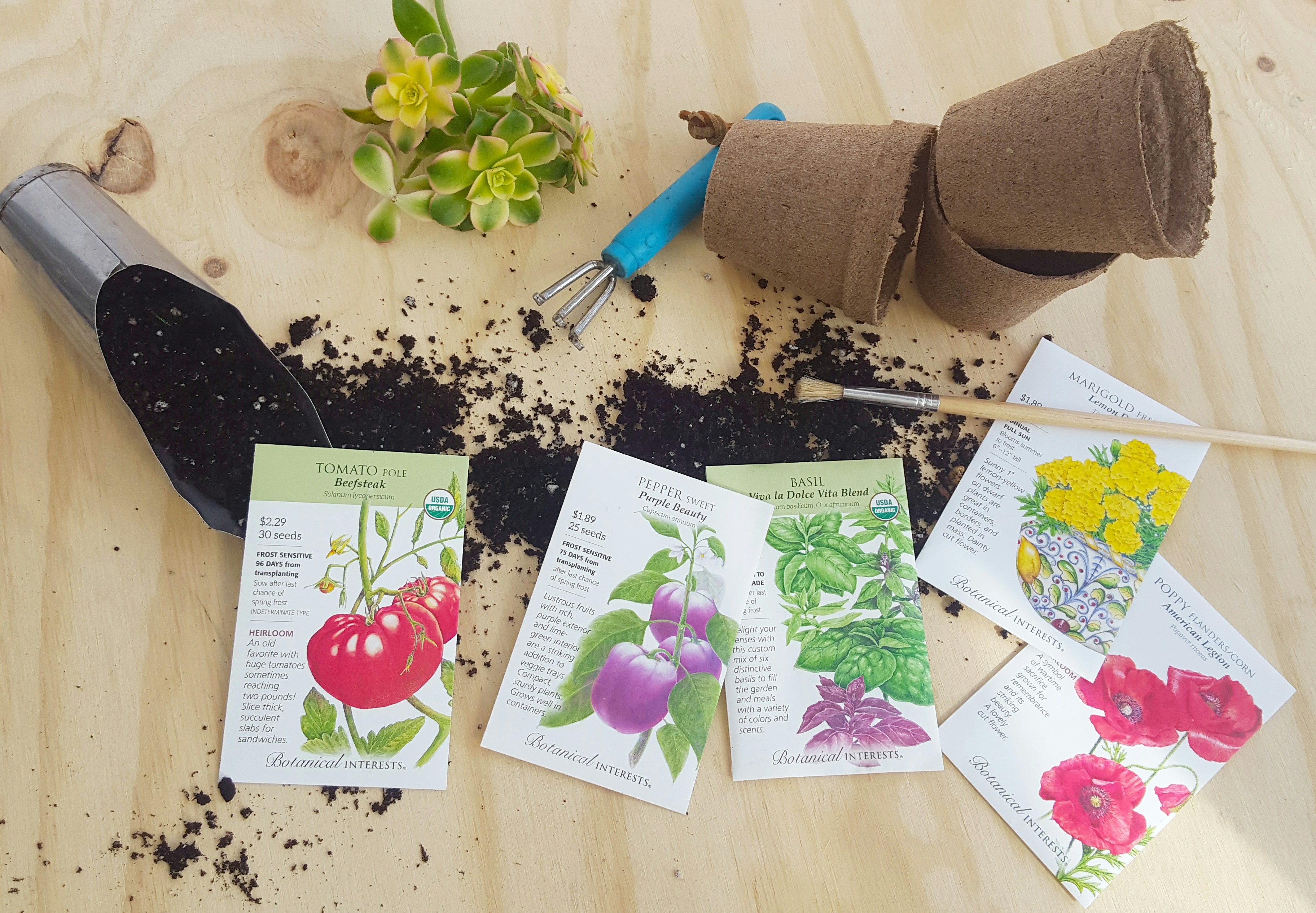
When embarking on the journey of gardening, especially for beginners, selecting the right size for your garden is of paramount importance. A manageable plot size allows novice gardeners to become familiar with the basics of planting, nurturing, and harvesting without feeling overwhelmed.
Starting small promotes a positive experience, enabling you to learn and grow confidence as you cultivate your garden.
To choose the best location for your small garden, consider factors such as sun exposure, soil quality, and water accessibility. Ideally, your garden should receive at least 6-8 hours of direct sunlight daily, which is essential for the healthy growth of most vegetables and flowers.
Testing the soil quality is also crucial, as nutrient-rich soil provides a conducive environment for plants to thrive. If the existing soil is subpar, you may want to incorporate compost or purchase bagged soil to enhance fertility.
In addition to location, careful planning of your garden layout can significantly impact your gardening experience. Begin by sketching a simple design on paper, indicating the types of plants you wish to grow.
Consider utilizing raised garden beds or containers, which can help define your space and make it easier to manage. Arranging plants according to their size and growth habits can also be beneficial; placing taller plants at the back and shorter ones at the front optimizes light exposure and aids in air circulation.
Finally, remember that starting small does not inhibit creativity or enjoyment in gardening. A focused approach allows you to experiment with different plants while honing your skills.
This manageable strategy ultimately sets the foundation for success, encouraging you to expand your gardening efforts in the future as confidence and knowledge grow.
Understanding Your Hardiness Zone
For any gardening enthusiast, understanding the concept of hardiness zones is essential. A hardiness zone is a geographical area defined by climatic conditions, specifically the average annual minimum temperature.
These zones help gardeners determine which plants are most likely to thrive in their local environment. For beginners, knowing your hardiness zone is crucial, as it influences plant selection and garden success.
The United States Department of Agriculture (USDA) provides a hardiness zone map that divides the country into 13 zones, with each zone indicating a range of temperatures.
For instance, Zone 1 encompasses the coldest regions, while Zone 13 includes the warmest ones. This system allows gardeners to understand which species will survive winter temperatures in their area.
To find your specific hardiness zone, you can easily access the USDA hardiness zone map online. By entering your zip code or city, you can quickly locate the zone applicable to your area.
This information assists in making informed decisions about which plants to introduce into your garden. Additionally, local gardening centers often provide insights on native plant species that are well-suited for your particular zone, enhancing the chances of a successful garden.
Understanding your hardiness zone is more than just a guide; it is the foundation of successful gardening. It aids in preventing planting decisions that may lead to disappointment when plants fail to thrive due to unsuitable climatic conditions.
By considering your hardiness zone, you ensure that your garden flourishes, paving the way for a flourishing gardening experience.
Also Read: Does Ace Hardware Sharpen Garden Tools?
Selecting Suitable Plants for Beginners
Choosing the right plants is a pivotal step for any novice gardener. The ideal selection process should not only consider the aesthetic appeal of the plants but also their suitability for the new gardener’s experience level, local climate, and the amount of care they require. Beginners should focus on plants that are known for their resilience and ease of growth.
One of the best options for first-time gardeners is vegetables. Plants such as radishes, lettuce, and green beans are particularly forgiving and can thrive in various conditions.
These vegetables have a reputation for quick growth, which offers the satisfying reward of a harvest in a short timeframe. Additionally, they require minimal maintenance, making them perfect for beginners who may still be learning the ropes of gardening.
In terms of flowering plants, marigolds and sunflowers are excellent choices. Marigolds not only add vibrant colors to the garden, but they also serve the practical purpose of deterring common pests.
Similarly, sunflowers provide a robust structure and are relatively easy to care for. Their ability to flourish in various soil types and conditions makes them an ideal selection for gardeners who are just starting out.
When selecting suitable plants, it’s crucial to consider the local climate. For instance, in warmer regions, herbs like basil, rosemary, and thyme typically grow well. These herbs not only enrich meals but are also simple for beginners to cultivate.
Conversely, in cooler climates, root vegetables such as carrots and potatoes can be more appropriate due to their adaptability to lower temperatures.
Ultimately, the key to selecting the right plants for a beginner’s garden lies in understanding the balance between personal interest and practical care requirements. By starting with manageable varieties, new gardeners can build confidence and enjoyment in their horticultural endeavors.
Invest in Quality Tools
For anyone stepping into the world of gardening, the choice of tools can significantly affect both the ease and enjoyment of the gardening experience.
Investing in quality gardening tools is essential for beginners, as the right tools not only facilitate gardening tasks but also promote efficient and effective gardening practices.
With an array of options available, it can be beneficial to focus on a few essential implements that form the backbone of a well-equipped gardening toolkit.
Essential gardening tools should include a sturdy trowel, which is invaluable for planting, weeding, and digging.
A standard hand rake can effectively assist in soil preparation, while pruners are crucial for maintaining plant health by allowing you to trim and shape plants as needed.
Furthermore, having a good pair of gardening gloves is necessary to protect your hands from thorns, dirt, and potential irritants.
In addition to these basic tools, consider investing in a lightweight hose and watering can. These items help ensure that your plants receive adequate hydration, which is vital for their growth. Finally, a sturdy wheelbarrow can be an efficient tool for transporting soil, plants, and other materials around your garden.
Maintaining your gardening tools is just as important as the initial investment. Regularly clean your tools after each use to prevent dirt and debris accumulation, which can lead to rust and deterioration.
Additionally, oiling the moving parts of tools like pruners can extend their lifespan and ensure smooth operation. By prioritizing tool quality and maintenance, beginners can enhance their gardening efficiency, leading to a more successful and enjoyable gardening journey.
Understanding Soil and Composting
Soil is one of the most critical components for establishing a flourishing garden. The quality of soil directly influences plant health, growth rates, and overall yield. Different types of soil possess varied characteristics that affect plant development.
For instance, sandy soil drains quickly but holds fewer nutrients, whereas clay soil retains moisture but can become compacted, hindering root growth.
Knowing your soil type is essential; thus, it is beneficial to perform a soil test. This test will reveal the pH level and nutrient content, allowing you to tailor your gardening strategy accordingly.
To test your soil, you can either purchase a home testing kit or send a sample to a local agricultural extension service. This process typically involves digging down to about six inches, collecting a sample, and following the instructions provided in the kit.
Once the results are in, you may discover that your soil requires amendments, such as additives to boost nutrients or adjustments to pH levels, ensuring an optimal growing environment for your plants.
Composting complements the soil quality by providing an excellent source of organic matter. Compost enhances soil structure, increases retention of moisture, and enriches the nutrient profile, benefiting plant life significantly.
Beginners can easily start composting by collecting kitchen scraps, such as vegetable peels, eggshells, and coffee grounds, as well as yard waste like grass clippings and leaves. Avoid adding meat and dairy to keep your compost free from pests.
To create your compost, find a suitable bin or designated corner in your garden. Layer the materials to ensure proper aeration and decomposition.
Regularly turning your compost will speed up the process, transforming waste materials into rich, dark compost ready for application in your garden.
This practice not only boosts soil fertility but also minimizes waste, fostering a more sustainable approach to gardening.
Watering Wisely: Techniques for Success
Proper watering is a cornerstone of successful gardening and plays a crucial role in maintaining plant health.
Understanding when and how much to water your plants can lead to flourishing growth and reduced risk of diseases. Each plant species has its own water requirements, influenced by factors such as climate, soil type, and growth stage.
One of the fundamental rules of watering is to do so in the early morning or late afternoon. This practice minimizes evaporation, allowing plants to utilize the moisture effectively.
Watering during peak sun hours can lead to significant loss of water due to evaporation, which not only wastes this precious resource but can also stress your plants.
When it comes to the amount of water to apply, a general guideline is to ensure that moisture penetrates deep into the root system. Most plants thrive best when their roots receive about one inch of water per week, either from rainfall or supplemental irrigation.
To gauge this, a simple technique involves sticking your finger into the soil up to the second knuckle; if it feels dry at that depth, it’s time to water.
There are various watering techniques to consider, including traditional watering cans or hoses, as well as drip irrigation systems.
Drip irrigation, in particular, offers a targeted approach, delivering water directly to the base of plants. This method minimizes waste and provides a consistent moisture level, making it an efficient choice for larger gardens or those in arid regions.
In summary, effective watering involves both understanding your plants’ needs and utilizing appropriate techniques to deliver water efficiently. By implementing a well-thought-out watering regimen, beginners can foster healthy growth and create a thriving garden environment.
Understanding Sunlight in Gardening
Sunlight is a critical factor in gardening, as it significantly influences plant growth and development. Knowing your garden’s sunlight exposure can help you select the right plants to establish a flourishing garden.
To assess how much sunlight your garden area receives, observe it throughout the day. Take note of the different areas in your garden and which receive direct sunlight for extended periods and which remain shaded. This practice can help you categorize your space accurately.
Generally, gardens can be classified into three sunlight categories: full sun, partial shade, and full shade. Full sun areas receive at least six hours of direct sunlight per day, making them ideal for sun-loving plants such as tomatoes, peppers, and various flowering plants.
On the other hand, partial shade areas receive three to six hours of sunlight daily. Plants suitable for these conditions include ferns and some types of leafy greens. Lastly, full shade areas receive less than three hours of direct sunlight.
This condition often favors shade-tolerant plants or those that thrive in low-light environments, such as hostas and astilbes.
When choosing plants for your garden, consider their specific sunlight requirements. Reading plant tags or researching online can provide valuable insight into their sunlight needs.
Matching the right plants to the appropriate sunlight conditions not only ensures healthier growth but also enhances the overall aesthetic of your garden.
Understanding these factors will allow you to create a balanced and vibrant landscape, ultimately leading to a more rewarding gardening experience.
Pest Management: Organic Solutions
Pest management is a crucial aspect of gardening, especially for beginners who may find it daunting. Organic pest management strategies offer sustainable and environmentally friendly options for keeping your garden healthy and thriving.
By focusing on prevention and natural remedies, you can effectively mitigate pest issues without relying on harmful chemicals.
One of the first steps in organic pest management is to identify common pests that could threaten your plants. Aphids, spider mites, and whiteflies are frequent intruders in many gardens.
These pests can be particularly damaging if not addressed promptly. Monitoring your plants regularly for signs of infestation is essential. Look for discolored leaves, webbing, or pests themselves to catch issues early.
Prevention is key in organic gardening. Start by ensuring a healthy garden environment. Choose native and disease-resistant plants, as they are more resilient to pest attacks.
Additionally, maintaining proper spacing between plants improves air circulation, reducing the likelihood of pest infestations. Companion planting is another effective strategy; some plants can deter pests naturally when grown alongside more susceptible species.
For control measures, there are various natural remedies you can employ. Insecticidal soaps and neem oil are popular organic solutions that target pests without harming beneficial insects.
Garlic spray and diatomaceous earth can also be deployed to deter unwanted visitors. It’s important to apply these treatments during early morning or late evening to minimize the impact on pollinators, such as bees.
In conclusion, organic pest management is an essential skill for every gardener. By implementing preventive measures and utilizing natural remedies, beginners can maintain a healthy garden free from pest damage, ultimately fostering an ecosystem that promotes the growth and vitality of their plants.
Patience and Persistence: The Gardening Mindset
Gardening is not merely a task; it is an enriching journey that requires a considerable amount of patience and persistence. For beginners, the anticipation of lush gardens and fruitful harvests can often be clouded by the challenges that arise when tending to plants.
The essence of gardening lies in understanding that it is a process filled with trial and error, so embracing a positive mindset is essential.
One of the foremost lessons to learn in gardening is that failures are a natural part of the experience. A plant may not thrive, or a crop may not yield the expected results despite meticulous care.
Instead of viewing these incidents as setbacks, categorizing them as learning opportunities can foster resilience. This perspective encourages beginners to analyze what went wrong, whether it be soil quality, watering frequency, or light exposure.
Adopting this reflective approach not only enhances gardening skills but also promotes growth on a personal level.
Moreover, the meditative aspects of gardening can provide a calming reprieve from the busyness of daily life. The simple act of tending to plants can be both grounding and fulfilling.
Therefore, taking a moment to appreciate the beauty around you, whether it is the vibrant colors of the blossoms or the gentle hum of pollinators, can transform gardening into a rewarding pursuit.
Celebrating small achievements, such as the first bloom or the sprouting of seedlings, can also spur motivation and reinforce the gardener’s connection to the earth.
In conclusion, cultivating a mindset centered on patience and persistence is crucial for any beginner gardener.
Facing challenges with grace and viewing them as stepping stones rather than obstacles will not only yield better results over time but also enhance the overall gardening experience, allowing individuals to find joy and tranquility in their green endeavors.

Sabbir Ahmed is an experienced gardener and the lead voice behind GardenToolsGuide.com, where he combines over 15 years of hands-on horticultural expertise with a passion for sustainable cultivation. Specializing in organic soil health and permaculture, Sabbir has dedicated his career to testing and refining the best methods for maintaining thriving green spaces. His mission is to simplify the complexities of gardening by providing practical, tool-focused advice that helps fellow enthusiasts—from beginners to seasoned pros—grow nutrient-dense food and beautiful landscapes with efficiency and ease.