
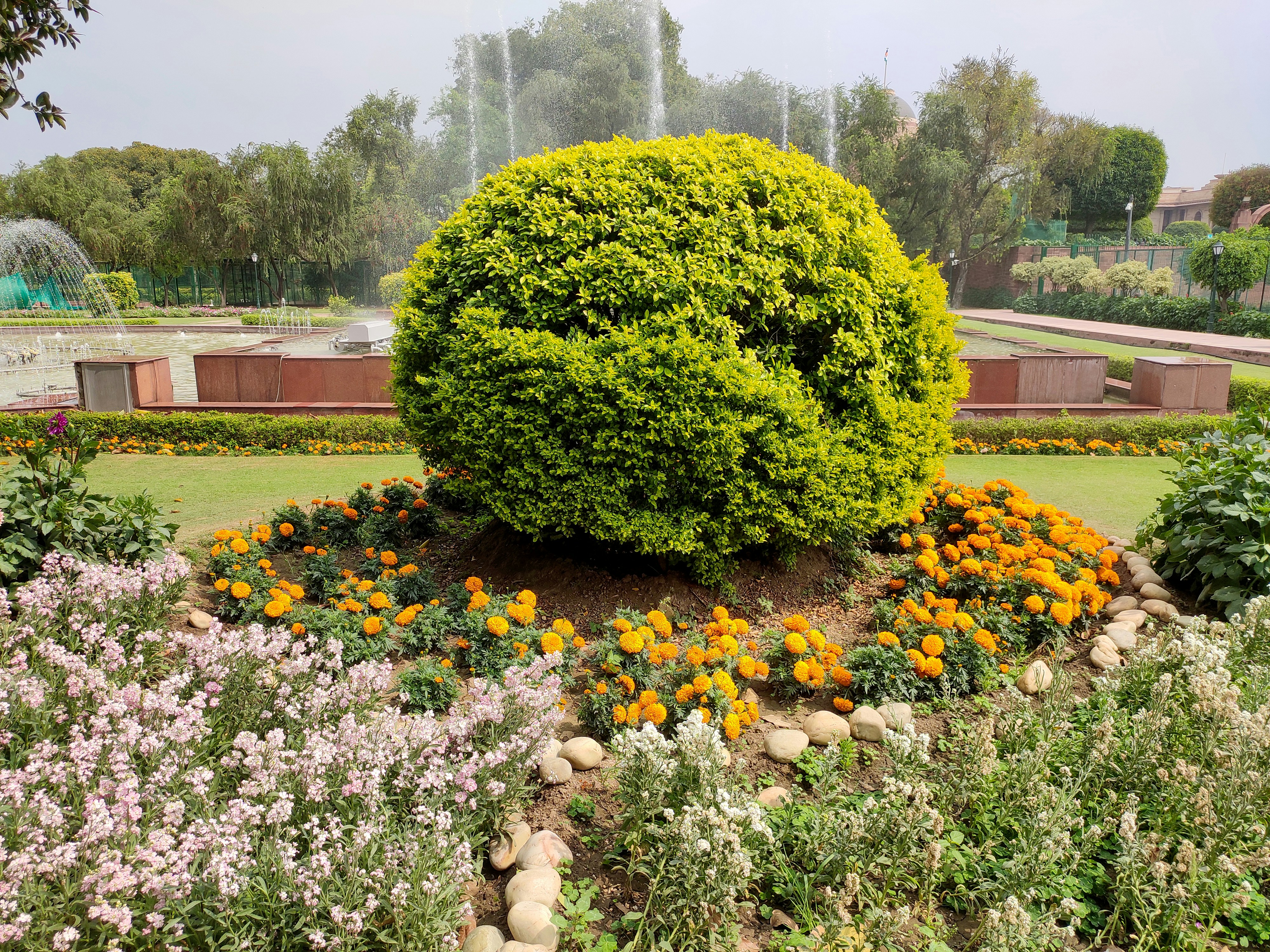
Budget gardening presents an opportunity for individuals to cultivate beautiful and functional outdoor spaces without incurring significant expenses. This approach not only promotes financial prudence but also encourages creativity and resourcefulness.
By focusing on essential elements and utilizing cost-effective methods, anyone can transform their garden into a lush sanctuary that enhances the overall aesthetic and value of their home.
Furthermore, budget gardening encourages sustainable practices that benefit the environment. Utilizing native plants, organic gardening techniques, and composting can lead to healthier gardens that require less maintenance and water.
Not only does this enhance the garden’s ecological balance, but it also contributes to a more sustainable lifestyle. By adopting frugal gardening practices, individuals can reduce waste while creating a rich and diverse habitat for local wildlife.
In summary, budget gardening is an efficient way to create a high-value outdoor living space while promoting creativity, sustainability, and financial savings.
This practice enables individuals to enjoy the benefits of a stunning garden without the burden of excessive costs, laying the foundation for a rewarding gardening experience.
Planning Your Garden Space
Before embarking on the exciting journey of creating a garden, careful planning is essential for ensuring its success. One of the primary aspects to consider is the layout of the garden, which significantly influences the growth and health of plants.
Begin by selecting a location that provides ample sunlight, as most plants thrive in areas that receive at least 6-8 hours of direct sunlight each day. Pay attention to the surrounding environment; for instance, taller structures or trees might cast shadows that can hinder sunlight access.
Additionally, assessing water drainage is crucial. A location that retains too much water can lead to root rot and other issues that impede plant growth.
Observing the area after a rainstorm can help determine drainage patterns; look for any pooling water or areas that quickly absorb moisture. Ideally, select a spot with well-draining soil that avoids the accumulation of excess water.
If your chosen location tends toward water retention, consider elevating the garden beds to improve drainage.
The soil type must also be taken into account, as healthy soil rich in nutrients fosters thriving plants. A simple soil test can provide insights into pH levels and nutrient composition.
Based on the test results, you may need to amend the soil with compost or other organic matter to enhance its fertility. This investment in soil preparation is vital for ensuring a high-yield garden.
To effectively manage space, utilize measuring tools to outline the dimensions of your garden area. Selecting a specific garden style is also beneficial; whether you prefer a vegetable garden, flower bed, or a mixed design, having a clear vision will guide your planning process.
Consider height, spread, and growth patterns of plants to maximize space and maintain an appealing aesthetic. Proper planning of your garden space ultimately lays the foundation for a successful gardening experience.
Also Read: Where to Get Garden Tools Sharpened: Top Options
Creating a Budget-Friendly Plant List
Building a high-value garden while adhering to a budget requires strategic planning, particularly in selecting the right plants. Begin the process by evaluating your growing conditions, including factors such as sunlight availability, soil type, and climate.
This evaluation will assist in narrowing down plant options that are not only affordable but also likely to thrive in your garden environment.
Local nurseries often offer a variety of plants at competitive prices, and visiting these establishments can prove beneficial. They may have ongoing sales or clearance plants that are still healthy yet marked down for quick sale.
Additionally, many nurseries provide expert advice on the plants best suited for your specific conditions, which can lead to long-term savings and successful gardening outcomes.
Another advantageous approach is to seek out seed exchanges or community plant swaps. These venues allow gardeners to trade seeds or plant starts, giving you access to a wider array of options without incurring costs.
Online resources and marketplaces also offer budget-friendly alternatives, sometimes providing bulk seed options at a reduced cost.
When selecting plants, consider incorporating native species. Native plants are acclimated to the local environment, often requiring less maintenance and irrigation once established, translating to both time and cost savings over the long term. Furthermore, they support local wildlife, promoting biodiversity within your garden.
Incorporating perennial plants into your list can further enhance your garden’s sustainability. Perennials return year after year, thus minimizing the need for annual replanting.
By carefully selecting a mix of native and low-maintenance plants from local resources, you can create a thriving garden without exceeding your $100 budget.
DIY Soil Preparation and Enrichment
Good soil is the cornerstone of successful gardening, serving as the foundation for plant growth and nutrient uptake.
When it comes to creating a high-value garden on a budget, the right soil preparation and enrichment techniques can make a significant difference. Utilizing inexpensive methods can enhance the soil, promote plant health, and ultimately lead to a thriving garden.
One effective way to improve soil quality is through composting. Composting involves collecting organic waste, such as vegetable scraps, grass clippings, and leaves, and allowing it to decompose into nutrient-rich compost.
This process contributes not only to the soil’s fertility but also aids in moisture retention and improves soil structure. Setting up a simple compost bin can be accomplished with basic materials, helping you recycle organic waste while enriching your garden.
In addition to composting, incorporating other organic materials plays a vital role in soil enrichment. Items like shredded paper, cardboard, and lawn clippings can contribute valuable nutrients to the soil when layered into garden beds.
These materials break down over time, releasing nutrients that promote healthy plant growth. It is also beneficial to mix in aged manure, if accessible, as it supplies essential nutrients without the risk of burning young plants.
Creating raised beds is another economical approach to enhance planting conditions and control soil quality. Affordable materials such as reclaimed wood, bricks, or even straw bales can be used to construct raised garden beds.
These structures offer benefits such as improved drainage and easier weed management, paving the way for healthy root development. By filling these beds with a blend of topsoil, compost, and organic matter, you can cultivate an optimal environment for various plant species.
Ultimately, focusing on DIY soil preparation and enrichment allows gardeners to maximize their resources and achieve high-value results, setting the stage for a successful gardening venture for under $100.
Utilizing Recycled and Repurposed Materials
In the pursuit of establishing a high-value garden on a budget, the utilization of recycled and repurposed materials emerges as an effective strategy. By creatively using found objects and materials, gardeners can not only save money but also cultivate a unique aesthetic that expresses individuality.
One common resource is old pallets. These wooden structures can be transformed into vertical gardens, compost bins, or even benches with minimal effort. They offer a rustic appeal and can be easily painted or stained to match the garden’s theme.
Another innovative idea involves the use of plastic bottles. By cutting them in half, you can create miniature greenhouses, which are particularly useful for nurturing seedlings.
Hanging bottles can also serve as self-watering planters, maximizing space while providing a sustainable watering solution.
Furthermore, glass jars can be repurposed as charming candle holders or storage containers for seeds and garden tools, contributing not only to functionality but also to the garden’s visual charm.
Containers such as cans, buckets, or old bathtubs can also be effectively used for planting. These items can be painted or decorated to add a splash of color and personality to the garden landscape.
Additionally, bricks or stones can often be sourced at little to no cost, allowing for the construction of walkways, borders, and raised beds. The integration of these materials fosters an eco-friendly garden that embodies the principles of sustainability.
Ultimately, by embracing recycled and repurposed materials, gardeners can build beautiful landscapes that reflect their creativity while maintaining fiscal responsibility.
Affordable Garden Tools and Essentials
Building a high-value garden doesn’t require a substantial investment in tools. With careful planning and smart shopping, it is possible to procure essential gardening tools without straining your budget.
Start by identifying the basic tools you will need, including a hand trowel, pruners, a garden fork, a spade, and a watering can. These items often serve a multitude of purposes and will significantly enhance your gardening experience.
There are various options for obtaining affordable gardening tools. Local hardware stores frequently have sales or clearance events where you can find good deals on new tools. Additionally, discount retailers and garden centers may offer budget-friendly options.
Online marketplaces such as eBay, Facebook Marketplace, or Craigslist can be excellent places to find quality second-hand tools at a fraction of the original price. Purchasing used tools not only saves money but is also an environmentally sustainable choice.
Apart from buying, consider borrowing tools from friends or family. This can be a practical solution, particularly for tools that are used infrequently, such as rototillers or larger lawn equipment. Remember to establish a clear agreement with the lender regarding the duration and condition of the borrowed tools to maintain goodwill.
When prioritizing your tool purchases, focus on multifunctional items that can accommodate various gardening tasks. For instance, investing in a sturdy hand trowel can be beneficial for digging, planting, and weeding.
By strategically acquiring only what you need initially, you can gradually expand your toolkit as your gardening efforts evolve. Ultimately, careful management of your gardening tools budget will allow you to build a flourishing garden without exceeding the $100 mark.
Watering Wisely: Budget-Friendly Irrigation Techniques
Effective irrigation is a cornerstone of successful gardening, particularly when working within a budget. One of the most cost-effective methods to ensure your plants receive adequate moisture is through rainwater harvesting. Collecting rainwater not only conserves resources but also reduces water bills.
Set up a simple rain barrel system to capture rainwater from your roof. Position barrels beneath downspouts to maximize collection during rainfall, and make sure to use the stored water for your garden during dry spells.
Another economical irrigation method is drip irrigation. This technique allows water to be delivered directly to the root zone of your plants, minimizing waste and evaporation.
You can construct a budget-friendly drip irrigation system using materials such as old hoses or PVC pipes. By puncturing small holes in these materials and laying them throughout your garden, you create an efficient watering network that can efficiently direct moisture where it is needed most.
In addition to employing effective irrigation systems, it is crucial to establish a watering schedule. Watering early in the morning or late in the evening helps reduce evaporation loss and allows plants to absorb water more efficiently.
Consider implementing a simple routine, such as watering once every three days, adjusting based on rainfall and temperature. Utilizing mulch around your plants can also help retain moisture in the soil, further promoting water efficiency.
By integrating these budget-friendly irrigation techniques, gardeners can cultivate flourishing gardens without financial strain.
Incorporating Low-Cost Garden Decor
A garden can be greatly enhanced through the thoughtful application of decorative elements, yet doing so does not have to come at a steep cost.
Engaging in creative endeavors can yield stunning visual results while maintaining a budget, making the experience of enhancing your garden even more rewarding. One effective approach is to create handmade garden art.
This could involve repurposing everyday items—such as old kitchen utensils, bottles, or tin cans—into eye-catching sculptures or planters. These projects not only allow for self-expression but also contribute unique character to the garden.
Another option for adding flair to your garden is through DIY garden furniture. Simple wooden pallets can be transformed into benches or tables with minimal effort and expense.
A bit of sanding, a coat of paint or wood sealant, and you can create functional yet aesthetically pleasing furniture that complements your garden’s design. Consider sourcing materials from local recycling centers or even from relatives, thereby reducing costs while practicing sustainability.
Utilizing natural elements found around the yard can also greatly contribute to a garden’s decor. Stones, twigs, and branches can be arranged artistically to create pathways, borders, or focal points in your garden design.
A pile of stones applied creatively may serve as a rustic seating area or decorative features, while twisted branches can be fashioned into trellises or natural arches. Additionally, collecting and arranging your own flower arrangements from the garden provides a cost-effective yet beautiful accent to any garden area.
Incorporating these low-cost decorative elements not only enriches the aesthetic appeal of your garden but also fosters creativity and personal investment in your outdoor space, leading to a high-value garden without exceeding your budget.
Maintaining Your Garden on a Budget
Maintaining a thriving garden on a budget requires a blend of smart strategies and a commitment to ongoing education. First and foremost, consider the implementation of organic pest control methods.
Natural solutions, such as introducing beneficial insects like ladybugs or applying neem oil, can effectively manage pest populations without the financial burden of chemical treatments. Additionally, using garlic, soap, or hot pepper sprays can deter unwanted pests while remaining cost-effective and environmentally friendly.
Seasonal planting is another essential element in maintaining your garden without excessive expenditure. Select plants that are well-suited for your local climate, which minimizes the need for additional resources such as water or fertilizer.
Opting for perennials can yield long-term benefits, as they return year after year, thereby reducing replanting costs. Creating a planting calendar will assist you in knowing the optimal times for sowing seeds and harvesting, which will enhance both the productivity and sustainability of your garden.
Furthermore, understanding the practice of crop rotation will improve soil health and reduce the likelihood of pests and diseases. By alternating the types of crops you plant in each bed each season, the soil is given time to regenerate nutrients, resulting in fewer financial outlays for fertilizers.
Incorporating composting into your routine can further foster sustainable growth; household organic waste can enrich your soil at no additional cost.
Incorporating these strategies, such as effective pest control and strategic planting, will ensure that your garden remains healthy without straining your budget.
Committing to continuous improvement in your gardening techniques allows you to adapt to changing conditions and grow a flourishing garden over time, all while maintaining fiscal responsibility. This eco-friendly approach not only nurtures your plants but also cultivates a deeper connection to your gardening practices.

Sabbir Ahmed is an experienced gardener and the lead voice behind GardenToolsGuide.com, where he combines over 15 years of hands-on horticultural expertise with a passion for sustainable cultivation. Specializing in organic soil health and permaculture, Sabbir has dedicated his career to testing and refining the best methods for maintaining thriving green spaces. His mission is to simplify the complexities of gardening by providing practical, tool-focused advice that helps fellow enthusiasts—from beginners to seasoned pros—grow nutrient-dense food and beautiful landscapes with efficiency and ease.