
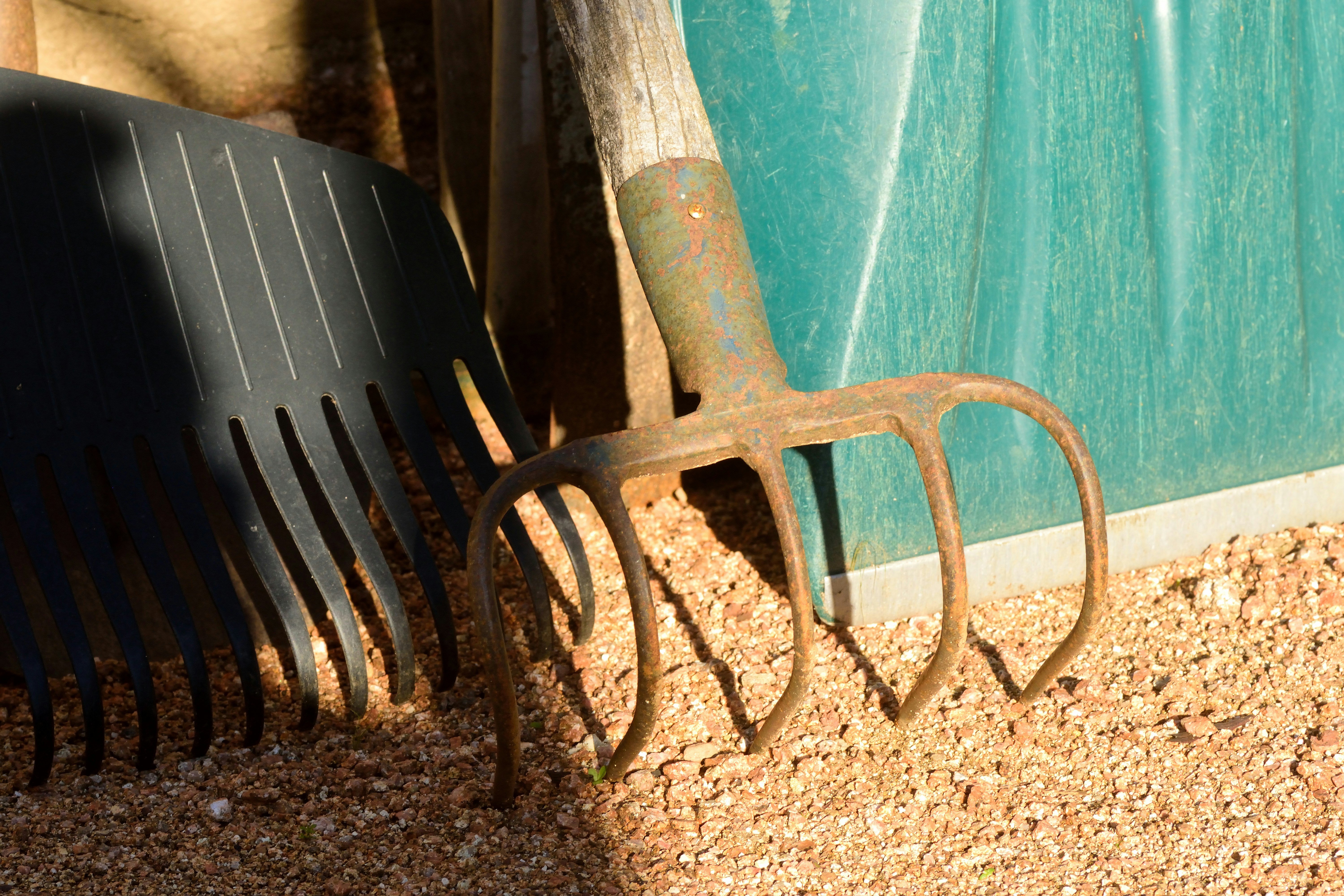
Understanding Rust: Causes and Effects on Garden Tools
Rust is a type of corrosion that specifically affects iron and its alloys. Scientifically known as iron oxide, rust forms through an electrochemical reaction that occurs when iron is exposed to moisture and oxygen.
In garden tools, this exposure is particularly prevalent due to their frequent contact with soil and water. As the water evaporates, it leaves behind a layer of moisture that can initiate the rusting process. Over time, this can lead to visible orange or brown discoloration, compromising the integrity of the tool.
The effects of rust on garden tools can be quite detrimental. Once rust begins to form, it can weaken the metal, leading to structural failures or breakages during use. Rusty tools can also become less effective; for instance, a rusted blade will struggle to cut through plants, resulting in inefficient gardening practices.
Furthermore, the presence of rust can lead to the spread of contaminants, as tools covered in rust can transfer harmful particles to the garden soil. Therefore, it is imperative for gardeners to address rust immediately to enhance the performance and longevity of their tools.
Also Read: Garden Tillers: Top Picks for Effortless Soil Preparation
Why Choose Natural Methods for Rust Removal
Removing rust from garden tools is essential for maintaining their efficiency and longevity. However, selecting the method for rust removal can have significant implications for health, safety, and environmental sustainability. Natural methods for rust removal present several compelling benefits compared to harsh chemical alternatives.
Firstly, natural rust removal methods are often safer for both humans and pets. Many conventional rust removers contain toxic substances that can pose health risks if inhaled or absorbed through the skin.
By opting for natural options, such as vinegar, baking soda, or lemon juice, you can effectively eliminate rust while minimizing potential exposure to harmful chemicals, making it a secure choice for households with children or pets.
Secondly, choosing natural rust removal contributes positively to environmental health. Chemical rust removers can lead to pollution and toxicity in surrounding ecosystems when they seep into the soil or water systems.
Nature-friendly solutions reduce this risk and promote sustainable practices by utilizing readily available, biodegradable ingredients that do not pose a threat to plants or wildlife.
Furthermore, natural methods are often more cost-effective. Common household items like vinegar and salt can serve as powerful rust removers without the need for expensive commercial products.
This not only saves money but also encourages resourcefulness, emphasizing the advantages of using materials that can readily be found in most kitchens.
Another vital benefit of natural rust removal is that these methods help maintain the integrity of your gardening tools. Harsh chemicals can corrode metal surfaces and degrade the quality of the tools over time.
Meanwhile, natural alternatives gently remove rust without damaging the surface beneath, ensuring your garden tools remain functional and reliable for years to come. This balance of effectiveness and safety aligns perfectly with the values of environmentally conscious gardeners.
Common Natural Ingredients for Rust Removal
Rust can be a significant issue for garden tools, and many people seek effective methods for its removal without resorting to harsh chemicals.
Fortunately, a variety of natural ingredients can serve this purpose effectively. Four commonly used natural options are vinegar, baking soda, lemon juice, and salt.
Vinegar, particularly white vinegar, is an acidic solution that works effectively in dissolving rust. The acetic acid in vinegar reacts with the rust, aiding in its breakdown.
To use vinegar, soak the rusted tool in the liquid for several hours, after which scrubbing with a brush can help remove the loosened rust.
Baking soda is another versatile ingredient with rust-removing properties. As a mild abrasive, it can dislodge rust particles.
To create a paste, combine baking soda with water, applying it onto the rusted areas of the tool and allowing it to sit for some time before scrubbing. The effervescent quality of baking soda also helps lift rust away from the surfaces.
Lemon juice, with its natural acidity, can similarly break down rust. Applying lemon juice directly onto the rusted areas and allowing it to sit will facilitate the rust removal process.
Additionally, combining lemon juice with salt can enhance its effectiveness, as salt acts as a mild abrasive to further aid in lifting the rust.
Lastly, salt alone can serve as an abrasive agent. By sprinkling salt on rusted areas and scrubbing, users can see significant improvements in the appearance of their garden tools.
Each of these natural ingredients offers a safe, eco-friendly approach to tackling rust, providing a suitable alternative to harsh commercial products.
Step-by-Step Guide to Removing Rust Using Vinegar
Rust on garden tools can be bothersome, but vinegar serves as an effective and environmentally friendly solution. This guide outlines the necessary steps to remove rust using vinegar, ensuring that your tools are restored to their optimal condition.
To begin the rust removal process, gather the necessary materials. You will need white vinegar, a container large enough to submerge the rusty tools, a soft cloth, a wire brush or steel wool, and water for rinsing. Once you have assembled these supplies, you can proceed with the preparation of the tools.
Start by cleaning the tools with soap and water to remove any dirt, grease, or debris. This initial cleaning ensures that the vinegar can effectively penetrate the rust layer.
Once cleaned, inspect the tools for rust patches and place them in the container filled with white vinegar. Ensure that each rusted area is submerged; the acetic acid in the vinegar will begin to dissolve the rust.
Let the tools soak in the vinegar solution for a minimum of 30 minutes and up to 24 hours, depending on the severity of the rust. Checking periodically allows you to gauge the progress.
After the soaking period, remove the tools from the vinegar and scrub them gently with a wire brush or steel wool. This scrubbing will help remove the loosened rust particles without damaging the tool’s surface.
Once the rust has been scrubbed away, rinse the tools thoroughly with water to eliminate any remaining vinegar residues. Dry the tools completely with a soft cloth to prevent further oxidation.
If any stubborn rust remains, you can repeat the soaking and scrubbing process as necessary. By following these steps, you can effectively remove rust from your garden tools using vinegar, ensuring they remain functional and well-maintained.
Baking Soda: An Effective Rust Remover
Baking soda, a common household item, is not only an ingredient for baking but also an effective rust remover. When mixed with water, it forms a paste that can effectively tackle rust on garden tools without the need for harsh chemicals.
To create this rust-removing paste, begin by measuring approximately three parts baking soda to one part water in a bowl. Stir the mixture until you achieve a viscosity similar to that of toothpaste. This paste is gentle yet potent enough to aid in the removal of rust.
Once the paste is prepared, the next step involves applying it directly onto the rusted areas of your garden tools. Use a small spatula or your fingers to ensure an even spread of the paste over the affected surfaces.
After application, it is advisable to let the paste sit for at least 30 minutes. This duration allows the baking soda to penetrate the rust and break down its particles effectively.
After the waiting period, it’s time to scrub the rusted areas. Using a soft-bristle brush or an old toothbrush, gently scrub the surface in circular motions. This technique is effective as it allows for even coverage and ensures that the baking soda paste reaches every crevice.
For more stubborn rust, additional scrubbing may be required, along with reapplication of the baking soda paste. Ensure to rinse the tools thoroughly with water once the rust is removed, followed by drying them immediately to prevent future rust formation.
In summary, utilizing baking soda as a rust remover is a simple, cost-effective method that is safe for both your tools and the environment. It effectively removes rust while ensuring that your gardening routines can proceed without the risks associated with harsh chemical cleaners.
Utilizing Lemon Juice and Salt for Rust Removal
Rust on garden tools is not only unsightly but can also hinder their effectiveness. A natural and effective method for removing rust involves the use of lemon juice and salt.
This combination works through a simple yet powerful chemical reaction that breaks down rust without the need for harsh chemicals, making it an environmentally friendly option.
Lemon juice contains citric acid, which acts as a natural rust remover by dissolving corrosion on metal surfaces. When combined with salt, which acts as an abrasive agent, the two ingredients become an efficient rust-fighting duo.
Salt enhances the acidity of the lemon juice, allowing for more effective penetration into rusted surfaces, therefore accelerating the removal process.
To utilize this method for rust removal, follow these steps:
Gather your materials: You will need fresh lemon juice, salt, a scrubbing pad or cloth, and the rusted garden tools.
In a small bowl, mix equal parts of lemon juice and salt to create a thick paste. The paste should have a consistency that allows for easy application yet stays intact on the metal surfaces.
Apply the paste directly onto the rusted areas of your garden tools. Ensure that the rust is fully covered for maximum effectiveness.
Allow the mixture to sit on the rusted surface for approximately 30 to 60 minutes. This waiting period enables the citric acid to work on breaking down the rust.
After the designated time, take your scrubbing pad or cloth and scrub the rusted areas gently. You will notice that the rust begins to lift away.
Rinse the tools with warm water to remove any residue from the lemon juice and salt. Dry the tools thoroughly to prevent future rust formation.
This method not only removes rust effectively but also helps in maintaining the longevity of your garden tools. Using lemon juice and salt as rust removers is a practical solution that promotes sustainability and minimizes exposure to harmful chemicals.
Preventing Rust: Tips for Caring for Your Garden Tools
Maintaining garden tools in good condition not only enhances their performance but also prolongs their lifespan. By incorporating preventive measures, you can significantly reduce the likelihood of rust forming on your tools.
The first step in caring for garden tools is to keep them clean. After each use, take a few minutes to wipe away soil, sap, and moisture.
Using a soft cloth or a bristle brush can help remove debris without scratching the surfaces. This practice helps prevent moisture from getting trapped, which is a primary cause of rust.
Another effective strategy is to ensure that your tools are adequately dried after washing. If you wash your tools with water, make sure to dry them completely with a towel or leave them in a well-ventilated area to air dry.
This measure reduces the risk of rust developing on wet surfaces. Additionally, applying a light coat of vegetable oil or mineral oil to metal parts can create a protective barrier against moisture. This provides an extra layer of defense and significantly limits rust formation.
Storage is equally vital in rust prevention. Always store garden tools in a dry location, ideally in a shed or garage where humidity levels are controlled.
Hanging tools instead of placing them directly on damp ground can also make a difference. Using pegboards or hooks keeps tools organized and off surfaces where they may collect moisture.
Regular maintenance checks are essential for ensuring tools remain rust-free. Inspecting tools periodically for any signs of rust or wear allows you to address issues promptly.
If you notice minor rust patches, they can often be treated easily with gentle scrubbing and further protective measures. By following these tips for cleaning, drying, storage, and maintenance, you can effectively prevent rust buildup and keep your garden tools in optimal working condition.
When to Replace Tools: Signs of Irreparable Rust Damage
Rust is a common issue encountered by gardeners, but determining whether it’s time to replace a tool can be challenging.
While surface rust can often be managed and repaired, deeper or more extensive rust damage can compromise the integrity and usability of your equipment. Below, we discuss key signs that indicate it may be time to look for a new garden tool.
One of the most significant indicators of irreparable rust damage is when the structural integrity of the tool is compromised. For instance, if the metal has extensive pitting or flaking, this suggests that the rust has penetrated deeply.
Tools affected in this way may not hold up under stress during use, potentially leading to breakage or injury. Additionally, if the rust covers more than half of the tool’s surface, it may be more efficient to replace it rather than spending time trying to salvage it.
Another sign that replacement is necessary is when rust affects moving parts. For instance, if a pruner’s or shears’ blades are rusted to the point of becoming difficult to open or close, they may not function properly even after cleaning.
Furthermore, a tool that requires frequent repairs or constant maintenance due to recurring rust problems may indicate it’s time for an upgrade. Investing in a new, high-quality replacement can significantly improve performance and reduce maintenance time in the long run.
When seeking replacements, consider materials and construction methods that resist rust better, such as stainless steel or coated tools. It’s wise to research reputable brands that offer durability and long-lasting performance.
Selecting high-quality tools can enhance your gardening experience and ultimately save you money by reducing the frequency of replacements.
Conclusion: Embracing Eco-Friendly Solutions for Tool Maintenance
In conclusion, maintaining garden tools does not necessitate the use of harsh chemicals that can be detrimental to both health and the environment. By adopting eco-friendly methods for rust removal and general maintenance, gardeners can effectively prolong the lifespan of their tools while also promoting sustainable practices.
Natural solutions such as vinegar, baking soda, and lemon juice have proven to be effective alternatives that not only tackle rust but also reduce the ecological footprint associated with conventional cleaning agents.
The benefits of using these eco-friendly alternatives extend beyond just effective rust removal. Gardeners who choose natural methods contribute to a healthier garden ecosystem, minimizing chemical runoff that can negatively affect soil and plant health.
As gardeners become increasingly aware of the impact of their choices, embracing these sustainable practices aligns with the broader movement towards environmental stewardship and responsible gardening.
Furthermore, the use of eco-friendly rust removal techniques showcases a commitment to not only maintaining tools but also caring for the surrounding environment.
This mindful approach fosters a deeper connection with nature, encouraging gardeners to seek similar sustainable practices in other areas of their gardening routines.
By prioritizing eco-friendly solutions, we promote a culture of sustainability and health—for ourselves, our gardens, and our planet.
Ultimately, choosing to remove rust from garden tools through natural means is a testament to a gardener’s dedication to eco-friendly principles.
Let us continue to explore and share these methods, inspiring others to follow suit and cultivate a garden that thrives without the use of harsh chemicals.

Sabbir Ahmed is an experienced gardener and the lead voice behind GardenToolsGuide.com, where he combines over 15 years of hands-on horticultural expertise with a passion for sustainable cultivation. Specializing in organic soil health and permaculture, Sabbir has dedicated his career to testing and refining the best methods for maintaining thriving green spaces. His mission is to simplify the complexities of gardening by providing practical, tool-focused advice that helps fellow enthusiasts—from beginners to seasoned pros—grow nutrient-dense food and beautiful landscapes with efficiency and ease.