

If you want to grow healthy vegetables, flowers, or even a simple lawn, you know how important good soil is. But soil does not get ready on its own. It can be hard, full of weeds, or packed tight after rain.
This is where garden tillers become your best friend. These machines make it easy to turn, loosen, and mix the soil, so your plants grow stronger roots and get more nutrients. Whether you are a new gardener or have years of experience, choosing and using the right garden tiller can make a big difference in your gardening results.
Garden tillers come in many types and sizes. Some are small and light, perfect for flower beds, while others are big and strong for breaking tough ground. Many people get confused when they see so many options: front-tine, rear-tine, electric, gas-powered, or even battery models.
How do you pick the right one? What features really matter? And how do you use a tiller for the best results, without damaging your soil or plants? This guide will answer all your questions about garden tillers and help you make smart decisions for your garden.
What Is A Garden Tiller?
A garden tiller is a machine designed to dig and turn the soil. It uses rotating blades or “tines” to break up hard ground, mix in compost or fertilizer, and get rid of weeds. This process is called “tilling.” Tilling makes the soil loose and soft, which helps plant roots grow deeper and improves water flow.
There are many reasons people use tillers:
- Prepare new garden beds: Breaking up grass or hard dirt so you can plant seeds.
- Mix in compost: Making sure fertilizer or manure spreads evenly in the soil.
- Control weeds: Cutting and burying weeds before they grow strong.
- Aerate soil: Allowing air, water, and nutrients to reach plant roots.
A tiller is different from a cultivator. While both tools look similar, a cultivator is lighter and mostly used to stir already-loose soil or remove small weeds. A tiller is built for heavier jobs, like breaking new ground.
Also Read: Garden Cultivators: Essential Tools for Effortless Soil Preparation
Types Of Garden Tillers
Choosing the right tiller depends on your garden size, soil type, and how much work you want to do. Here are the main types:
1. Front-tine Tillers
Front-tine tillers have their blades in the front, with wheels behind them. You push the tiller forward, and the tines dig into the soil.
Best for: Small or medium gardens, soft to medium soil, raised beds.
Pros:
- Easier to turn and steer in small spaces
- Lighter and less expensive than rear-tine models
- Good for mixing soil, compost, or fertilizer
Cons:
- Not strong enough for breaking very hard or rocky ground
- Can bounce or “walk” on tough soil
2. Rear-tine Tillers
In rear-tine tillers, the blades are behind the wheels. These machines are usually bigger and heavier.
Best for: Large gardens, hard or clay soil, breaking new ground.
Pros:
- More power for deep tilling
- Tines dig straight down, so less bouncing
- Handles rough, compacted soil well
Cons:
- Heavier and more expensive
- Needs more space to turn
3. Mini Or Cultivator Tillers
Mini tillers, sometimes called cultivators, are small and lightweight. They are ideal for light work.
Best for: Raised beds, flower gardens, soft soil, and spot-tilling.
Pros:
- Easy to carry and store
- Good for mixing soil between plants or in small spaces
- Less tiring to use
Cons:
- Not suitable for hard or uncultivated soil
- Small working width means more passes
4. Electric Tillers
Electric tillers can be plug-in or battery-powered. They are quieter and need less upkeep than gas models.
Best for: Small to medium gardens, people who want low maintenance, areas near power outlets.
Pros:
- Lightweight and easy to start
- No gas or oil needed
- Quieter operation
Cons:
- Less power than gas tillers
- Limited by cord length (for plug-in models)
- Battery models may have limited run time
5. Gas-powered Tillers
Gas tillers run on gasoline, offering more power and freedom of movement.
Best for: Large gardens, tough soil, places without electricity.
Pros:
- Strong performance for heavy jobs
- No cords or batteries to worry about
- Can be used anywhere
Cons:
- Heavier and noisier
- Needs regular maintenance (oil, spark plugs, etc.)
- Produces fumes
Key Features To Consider When Choosing A Garden Tiller
Not all tillers are the same. Before you buy, look at these important features:
Engine Power
Measured in horsepower (HP) or amperage (for electric), more power means the tiller can handle harder soil and bigger jobs. For small gardens, 3-5 HP is usually enough. For large or very tough soil, look for 6 HP or more.
Tilling Width And Depth
- Width: Wider tillers cover more ground faster. Common widths are 8 to 24 inches. Narrow tillers are better for tight spaces.
- Depth: Some tillers let you adjust how deep the tines go, from 2 to 12 inches. Deep tilling is good for new gardens, while shallow is fine for mixing compost.
Tine Rotation
There are three main types:
- Forward-rotating tines: Good for soft soil and regular mixing.
- Counter-rotating tines: Blades spin opposite to wheels, better for hard soil.
- Dual-rotating tines: Can switch between both for flexibility.
Weight And Balance
Heavier tillers dig deeper, but can be harder to push or turn. Light tillers are easier for small jobs but may not break tough soil.
Handles And Controls
Look for comfortable, adjustable handles. Easy-to-reach controls help you stay safe and work longer without getting tired.
Wheels
Bigger wheels help you move the tiller over rough ground. Some wheels are removable for easier storage.
Maintenance Needs
Gas tillers need more care: oil changes, cleaning air filters, and checking spark plugs. Electric tillers are simpler but check battery life and cord durability.
Price And Warranty
Good tillers start at about $100 for mini models, up to $800 or more for heavy-duty rear-tine versions. Always check the warranty—most offer 1-3 years.
Comparing Popular Garden Tillers
Choosing can be tricky with so many choices. Here’s a side-by-side look at common tiller types, so you can see the differences at a glance:
| Type | Typical Power | Width | Best Use | Price Range (USD) |
|---|---|---|---|---|
| Mini/Cultivator | 2-3 HP / 6-8 Amp | 8-12 in | Raised beds, soft soil | $100-$250 |
| Front-Tine | 3-5 HP / 8-12 Amp | 12-18 in | Medium gardens | $250-$450 |
| Rear-Tine | 5-8 HP | 16-24 in | Large/tough soil | $500-$900 |
| Electric (Corded/Battery) | 8-12 Amp / 40V+ | 10-16 in | Small-medium, low noise | $120-$350 |
| Gas-Powered | 3-8 HP | 12-24 in | All soil types, large areas | $300-$800 |
How To Use A Garden Tiller Effectively
Using a tiller is not just about pushing it through the soil. There are steps and tips that help you get the best results.
1. Prepare The Area
- Clear debris: Remove rocks, large branches, and old plants.
- Mark the area: Use string or stakes if you want straight rows.
- Water dry soil: If the ground is very hard or dry, water it a day before tilling. This softens the soil but do not till muddy ground.
2. Safety First
- Wear sturdy shoes, long pants, and gloves.
- Protect your eyes with goggles.
- Read the tiller’s manual for safety tips.
3. Set The Tiller Correctly
- Adjust the tilling depth and width to match your garden needs.
- For first-time tilling, start shallow (2-4 inches). Go deeper (6-8 inches) on a second pass if needed.
4. Start Tilling
- Begin at one end and move slowly forward.
- Overlap each row a little to avoid missed spots.
- Let the tiller do the work. Do not force it or push too hard.
- For tough soil, make several shallow passes instead of one deep cut.
5. After Tilling
- Remove large clumps or leftover roots.
- Mix in compost or fertilizer before planting.
- Clean the tiller’s tines and check for damage.
Non-obvious tip: Do not till when the soil is too wet. It can create hard clumps called “soil pans,” making it hard for roots to grow. Wait until the soil is damp but not sticky.
When Should You Till Your Garden?
Timing matters. Tilling at the wrong time can harm your soil.
Spring Tilling
Most people till in early spring, before planting. Wait until the soil warms up and dries a bit. To check, squeeze a handful of soil—if it falls apart easily, it is ready.
Fall Tilling
Some gardeners till in the fall after the last harvest. This can mix in plant waste and help break down weeds over winter. Fall tilling can also help reduce pests by exposing them to cold.
Avoid Over-tilling
Tilling too often breaks down soil structure. Do it only when needed—usually once or twice a year.
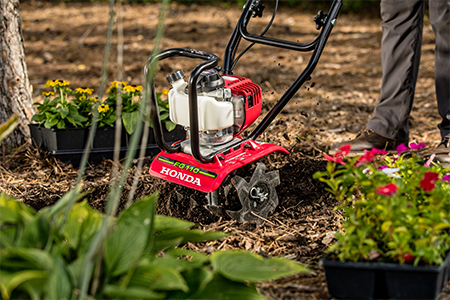
Credit: powerequipment.honda.com
Benefits Of Using A Garden Tiller
Garden tillers are not just about saving time. Here are some real advantages:
- Faster soil prep: Tilling by hand can take hours. A tiller does the job in minutes.
- Improved soil texture: Loose soil lets roots spread and water drain well.
- Better weed control: Tilling chops and buries weeds before they seed.
- Mixes nutrients evenly: Compost and fertilizers spread throughout the bed.
- Easier planting: Planting seeds or seedlings is simpler in soft soil.
Beginner insight: Many people forget that tillers can also help mix mulch or spread lime, not just turn soil.
Drawbacks And Common Mistakes
While tillers are useful, there are some downsides and mistakes to avoid.
Drawbacks
- Soil erosion: Over-tilling can make soil loose and wash away in rain.
- Kills good microbes: Too much tilling can destroy helpful worms and bacteria.
- Needs storage space: Tillers, especially large ones, need room when not in use.
Common Mistakes
- Tilling wet soil: This damages structure and makes planting harder.
- Going too deep: Deep tilling is only needed for new beds. For regular beds, shallow is better.
- Ignoring safety: Always watch out for buried pipes, wires, or roots.
- Not maintaining the tiller: Clean after each use and check oil or battery.
Non-obvious insight: Over-tilling can actually make it harder for plant roots to find firm ground, causing weak plants.

Credit: powerequipment.honda.com
Garden Tiller Maintenance Tips
A tiller can last many years with proper care. Here’s how to keep yours working well:
Gas-powered Tillers
- Check oil before every use.
- Clean or replace the air filter every season.
- Use fresh, clean gasoline.
- Check and replace spark plugs yearly.
- Store in a dry place.
Electric Tillers
- Check the cord for cuts or damage.
- Keep battery terminals clean (for cordless models).
- Store batteries indoors when not in use.
Tines And Blades
- Remove dirt and plant material after each use.
- Sharpen or replace dull tines as needed.
- Tighten bolts and nuts regularly.
Off-season Storage
- Drain fuel from gas models before winter.
- Cover the tiller to keep out dust and moisture.
A well-maintained tiller saves you time and money, and reduces the risk of breakdowns during the busy gardening season.
Garden Tiller Alternatives
Maybe you have a small garden or prefer hand tools. Here are some options:
- Garden fork: For loosening small areas or mixing compost.
- Hand cultivator: Good for weeding and breaking soil in tight spots.
- Broadfork: A large fork for deep loosening without turning soil layers.
While these tools are great for small jobs, a tiller is faster and easier for bigger spaces.
Environmental Impact Of Garden Tillers
Garden tillers, especially gas models, can have an impact on the environment.
- Noise pollution: Gas tillers are loud and can disturb neighbors.
- Air pollution: Gas engines produce carbon emissions.
- Soil health: Over-tilling can reduce organic matter and harm soil life.
To reduce your impact:
- Use electric tillers when possible.
- Till only when needed.
- Add mulch and compost to rebuild soil health.
- Maintain your machine for cleaner operation.
You can find more about the environmental aspects of gardening tools on Wikipedia’s garden tool page.
Table: Garden Tiller Care Checklist
Here’s a handy checklist to keep your tiller in top shape:
| Task | How Often | Type |
|---|---|---|
| Check oil/gas | Before every use | Gas tiller |
| Clean tines | After every use | All tillers |
| Inspect power cord | Before every use | Electric tiller |
| Sharpen/replace tines | Yearly or as needed | All tillers |
| Store in dry place | After season | All tillers |
Table: When To Use Each Tiller Type
To help you choose, here’s when each tiller type is best:
| Tiller Type | Best For | Not Good For |
|---|---|---|
| Mini/Cultivator | Raised beds, mixing soil, light weeding | Breaking new, hard ground |
| Front-Tine | Medium soil, garden beds, compost mixing | Very hard or clay soil |
| Rear-Tine | Large gardens, tough or rocky soil | Small or tight spaces |
| Electric | Quiet, small gardens, eco-friendly | Heavy, compacted soil |
| Gas | Big jobs, no power source needed | Indoor or noise-sensitive areas |
Frequently Asked Questions
What Size Garden Tiller Do I Need?
The right tiller size depends on your garden. For small beds and soft soil, a mini tiller or cultivator is enough. Medium gardens (up to 1,500 sq. Ft. ) do well with a front-tine model. For large areas or hard, clay soil, a rear-tine tiller is best.
Always match the tiller to your soil and the job.
Can I Use A Garden Tiller To Remove Grass?
Yes, you can use a tiller to break up and remove grass. For best results, mow the grass short first. Then till the area slowly, making several passes. Remove large grass clumps and roots by hand. This helps prevent grass from growing back.
How Often Should I Till My Garden?
You should till only when needed. For most gardens, once in early spring and, if needed, once in fall is enough. Over-tilling can harm soil health and reduce plant growth. Always check the soil moisture before tilling.
Are Electric Tillers As Good As Gas Tillers?
Electric tillers are great for small gardens, raised beds, and soft soil. They are quiet, clean, and easy to use. Gas tillers are stronger and better for big gardens or hard, rocky soil. If you need lots of power, gas is better.
For light work, electric is a smart choice.
Do I Need To Sharpen The Blades On My Tiller?
Yes, sharp tines make tilling easier and faster. Dull blades can tear soil and use more energy. Check the tines every season or after hitting rocks. Sharpen or replace them if they are worn out.
Whether you are starting a new garden or improving your current beds, a good garden tiller is a smart investment. With the right choice and proper care, you will have healthier plants, less work, and better harvests for years to come.

Credit: www.troybilt.com

Sabbir Ahmed is an experienced gardener and the lead voice behind GardenToolsGuide.com, where he combines over 15 years of hands-on horticultural expertise with a passion for sustainable cultivation. Specializing in organic soil health and permaculture, Sabbir has dedicated his career to testing and refining the best methods for maintaining thriving green spaces. His mission is to simplify the complexities of gardening by providing practical, tool-focused advice that helps fellow enthusiasts—from beginners to seasoned pros—grow nutrient-dense food and beautiful landscapes with efficiency and ease.