

Gardening tools work best when they are sharp. Anyone who has used dull bypass pruners knows the frustration: ragged cuts, damaged plants, and sore hands. The usual advice is to use a sharpening stone. But what if you don’t have one?
Maybe you’re new to pruning, or you lost your stone, or you want to try a different method. The good news is, there are several effective ways to sharpen bypass pruners without a stone.
This guide shows you how, using tools and techniques that are easy to find, safe, and deliver great results.
You’ll learn which alternatives work, how to use them step by step, and what to watch out for. You’ll also discover tips to avoid mistakes that even experienced gardeners make.
Whether you want fast results or a careful, professional edge, you’ll find the best method for your needs right here.
Understanding Bypass Pruners And Why Sharpness Matters

Bypass pruners are one of the most common garden tools. They look like strong scissors, with two blades that slide past each other. One blade is sharp (the cutting blade) and the other is dull (the counter blade). This design gives a clean cut, which is better for plant health.
Sharpness is important for several reasons:
- Clean cuts help plants heal faster and reduce the risk of disease.
- Less effort is needed, which prevents hand fatigue and injury.
- Longer tool life, since sharp blades put less stress on the mechanism.
Dull blades crush stems instead of cutting them. This can lead to brown, ragged edges on your plants. It also makes pruning harder and less precise.
Bypass Pruners You Can Buy
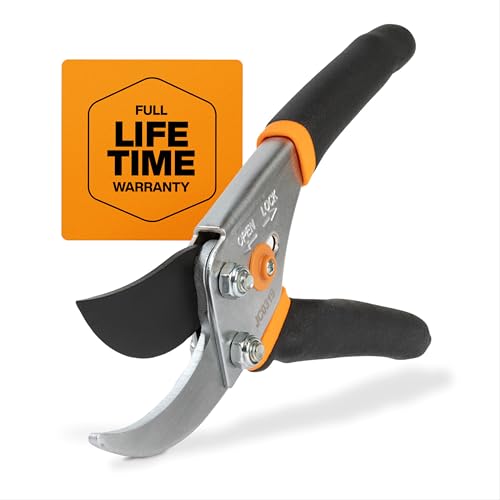

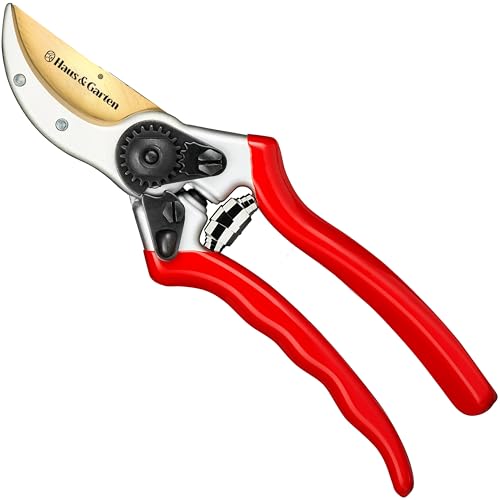

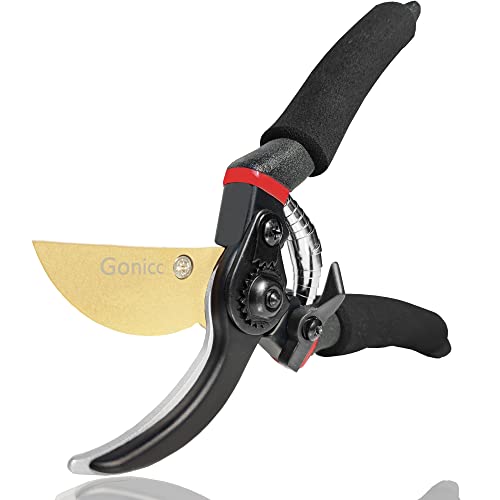


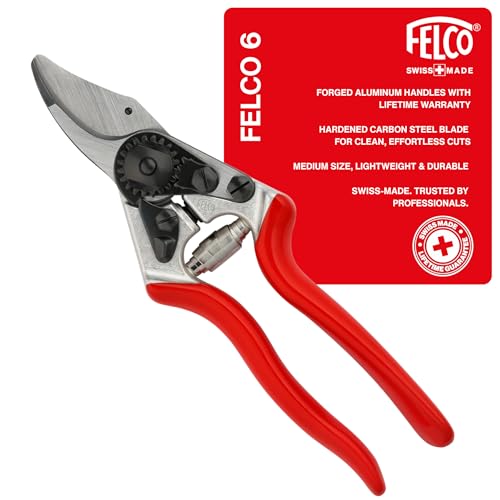
Also Read: How to Use a Flame Weeder Safely in Mulch?
Why People Look For Alternatives To Sharpening Stones?
Sharpening stones (whetstones) are the traditional tool for keeping blades sharp. But sometimes, using a stone is not possible:
- You don’t own one, and want to avoid buying extra equipment.
- You’re away from home or at a community garden.
- You want a faster or simpler method.
Luckily, bypass pruners are made from strong steel that can handle different sharpening tools. The key is to use the right angle and not to remove too much metal. Many alternatives work well, especially for regular maintenance.
Tools You Can Use To Sharpen Bypass Pruners Without A Stone

Several everyday tools can sharpen bypass pruners effectively. Some are designed for sharpening, while others are household items. Here are the best options:
- Diamond files
- Carbide sharpeners
- Flat metal files
- Sharpening rods (ceramic or diamond)
- Sandpaper
- Nail files (emery boards)
- Dremel or rotary tool with a grinding bit
- Carbide scraper blade
Not every tool is suitable for all pruners. The best choice depends on the blade material, how dull it is, and what tools you have on hand. Let’s explore how each method works, with step-by-step instructions.
Method 1: Using A Diamond File
Diamond files are made for sharpening hard metals. They are small, portable, and easy to use on curved blades.
Steps:
- Clean your pruners first. Remove sap and dirt with soapy water and a brush. Dry completely.
- Open the pruners wide. Find the beveled edge (the angled, sharp side).
- Hold the file at the same angle as the beveled edge (usually 20–25 degrees).
- Move the file in one direction, from the base to the tip, following the blade’s curve.
- Repeat 5–10 times, or until you feel a burr (a slight rough edge) on the flat side.
- Flip the pruners and gently run the file flat along the back to remove the burr.
- Wipe the blade clean and test the sharpness on a leaf or piece of paper.
Tip: A diamond file works faster than most alternatives. It removes less metal than a rotary tool, so your blade lasts longer.
Method 2: Carbide Sharpeners
Carbide sharpeners are handheld tools with a V-shaped notch. They are common in kitchens and toolboxes.
Steps:
- Clean and dry your pruners.
- Hold the sharpener in one hand and the pruners in the other.
- Place the blade in the V-notch, matching the angle of the cutting edge.
- Pull the sharpener along the blade from base to tip, applying light pressure.
- Repeat 3–5 times.
- Check for a burr, then smooth the back of the blade with a few gentle passes.
Insight: Carbide sharpeners are very quick, but they remove more metal each time. Use them for maintenance, not for fixing very damaged blades.
Method 3: Flat Metal File
A classic flat file is a good choice for pruners that are very dull or have nicks.
Steps:
- Secure the pruners or remove the blade, if possible.
- Hold the file at the same angle as the bevel.
- Push the file across the blade, moving away from your body.
- Make 8–12 strokes, checking your progress.
- Remove the burr with a few gentle strokes on the back.
Non-obvious tip: Don’t use a file that is too coarse. A finer file leaves a smoother edge, which stays sharp longer.
Method 4: Sharpening Rods (ceramic Or Diamond)
Sharpening rods are usually sold for knives. Their round shape works well for curved blades.
Steps:
- Clean the pruners.
- Hold the rod against the bevel at the correct angle.
- Slide the rod from the base to the tip in a sweeping motion.
- Do 6–8 strokes, then check for a burr.
- Remove the burr from the back side.
Example: Ceramic rods leave a polished edge, which is great for fine pruning.
Method 5: Sandpaper
Sandpaper is a low-cost, easy-to-find option. It is gentle, so it’s best for light sharpening and finishing.
Steps:
- Choose a medium grit (around 400) and a fine grit (around 1000).
- Wrap the sandpaper around a small block or dowel.
- Rub the sandpaper along the blade’s bevel, keeping the angle steady.
- Start with medium grit, then switch to fine for a smooth finish.
- Clean the blade and test the sharpness.
Practical insight: Sandpaper can also remove rust and sap while sharpening.
Method 6: Nail Files (emery Boards)
Nail files are similar to sandpaper but smaller. They are best for touch-ups or if you have no other tools.
Steps:
- Use the coarse side of the nail file on the bevel.
- Stroke from base to tip, following the curve.
- Use the fine side to polish the edge.
- Remove the burr with a light pass on the back.
Beginner mistake: Nail files are not for very dull blades. They work for keeping a sharp edge, not restoring a damaged one.
Method 7: Dremel Or Rotary Tool
A Dremel with a grinding bit can sharpen blades quickly. Use with caution—too much pressure can ruin the blade.
Steps:
- Wear safety glasses. Secure the pruners.
- Fit a fine grinding stone or diamond bit.
- Set the tool to a low speed.
- Gently touch the bit to the bevel, following the original angle.
- Move smoothly from base to tip.
- Check often to avoid overheating or removing too much metal.
- Remove the burr with a hand file or sandpaper.
Pro tip: Let the tool do the work. Forcing it can overheat and soften the blade.
Method 8: Carbide Scraper Blade
A carbide scraper (meant for scraping glass or paint) can work as a last-resort sharpener.
Steps:
- Hold the scraper at the same angle as the blade bevel.
- Drag gently along the edge, keeping the angle steady.
- Make a few passes, then test the sharpness.
Non-obvious insight: This tool works best for quick touch-ups in the field, not for full sharpening.
Comparing Sharpening Methods: Speed, Ease, And Results
To help you choose the best method for your needs, here’s a comparison of the most common alternatives:
| Sharpening Method | Speed | Skill Needed | Quality of Edge | Best Use |
|---|---|---|---|---|
| Diamond File | Fast | Medium | Very Good | General sharpening |
| Carbide Sharpener | Very Fast | Low | Good | Quick touch-ups |
| Flat Metal File | Medium | Medium | Good | Restoring damaged blades |
| Sharpening Rod | Medium | Low | Very Good | Fine edges |
| Sandpaper | Slow | Low | Fair | Light sharpening |
| Nail File | Slow | Low | Poor–Fair | Emergency use |
| Dremel/Rotary Tool | Very Fast | High | Good | Quick, heavy sharpening |
| Carbide Scraper | Fast | Medium | Fair | On-the-go touch-up |
Step-by-step Guide: Sharpening Bypass Pruners Safely And Effectively
No matter which tool you use, following the right steps will give you the best results. Here is a safe, professional approach:
1. Prepare Your Tools And Workspace
- Wear gloves and safety glasses.
- Clean your pruners with warm soapy water. Remove sap with rubbing alcohol.
- Dry thoroughly.
2. Inspect The Pruners
- Check for nicks, chips, or bent blades.
- If needed, use a wire brush to remove rust.
3. Disassemble If Possible
- Some pruners allow you to remove the blades. This makes sharpening easier and safer.
- Keep track of small screws and washers.
4. Sharpen The Cutting Blade
- Use your chosen tool (diamond file, carbide sharpener, etc. ).
- Follow the bevel angle—usually 20–25 degrees.
- Use smooth, even strokes from base to tip.
- Do not saw back and forth; always move in the same direction.
5. Remove The Burr
- After sharpening, a tiny “lip” of metal (the burr) forms on the flat side.
- Remove it with a few gentle strokes of sandpaper or a file.
6. Lubricate And Reassemble
- Apply a drop of oil to the pivot and blades.
- Reassemble the pruners if you took them apart.
- Open and close the tool several times to spread the oil.
7. Test The Sharpness
- Try cutting a piece of paper or a thin plant stem.
- The blade should cut smoothly, without crushing.
Expert insight: Avoid sharpening the flat (counter) blade. This side should stay flat to ensure a clean, precise bypass action.
Common Mistakes When Sharpening Without A Stone
Many beginners make errors that can ruin a good blade or reduce its life. Here’s what to avoid:
- Using the wrong angle: Sharpening at a steeper angle than the original bevel makes the blade dull faster.
- Applying too much pressure: Heavy strokes remove too much metal and can scratch or warp the blade.
- Skipping cleaning: Dirt and sap can clog your sharpener and scratch the blade.
- Sharpening both sides: Only the beveled edge should be sharpened; the flat side just needs light deburring.
- Not removing the burr: Leaving a burr can cause rough cuts and may damage plants.
Non-obvious mistake: Some people use power tools at high speed, which heats the blade and can soften the steel. Always use low speed and cool the blade if it gets warm.
How Often Should You Sharpen Bypass Pruners?
How often you need to sharpen pruners depends on use and blade quality. Here’s a general guide:
| Use Frequency | Sharpening Interval | Maintenance Tip |
|---|---|---|
| Heavy (daily or weekly) | Every 2–4 weeks | Clean after every use |
| Medium (monthly) | Every 2–3 months | Lubricate pivot often |
| Light (few times a year) | Once or twice a year | Store in dry place |
A quick check: If your pruners crush or tear stems, it’s time to sharpen.
Additional Tips For Long-lasting Sharpness
- Store pruners dry: Moisture causes rust, which dulls blades quickly.
- Oil after sharpening: A thin layer of oil prevents rust and keeps the pivot moving smoothly.
- Use the right tool for the job: Don’t use pruners on thick branches or wire.
- Regular cleaning: Sap and dirt buildup can make blades dull faster. Clean after each use.
Pro insight: Some gardeners use a silicone spray to coat the blades. This repels sap and water, keeping them sharper for longer.
When To Replace Instead Of Sharpen?
Even the best care can’t save pruners that are bent, cracked, or have blades worn thin. If you see:
- Deep nicks or missing chunks
- Blades that no longer meet evenly
- Bent handles or broken springs
…it’s time for new pruners. Investing in quality tools saves money and effort in the long run. For more on pruner care and types, see the Wikipedia page on pruning shears.
Frequently Asked Questions
Can I Use Kitchen Knife Sharpeners On Bypass Pruners?
Yes, kitchen knife sharpeners (especially pull-through carbide types) can sharpen bypass pruners in a pinch. However, always check that the sharpener fits the pruner blade and doesn’t remove too much metal. Some sharpeners are too aggressive or have the wrong angle.
How Do I Know If My Pruners Are Sharp Enough?
A sharp pruner blade will cut cleanly through a piece of paper with little effort. It should also slice through a green plant stem without crushing or tearing. If you feel resistance, or see ragged edges, sharpen again.
What Grit Sandpaper Should I Use For Sharpening Pruners?
Start with medium grit (around 400) to shape the edge, then finish with fine grit (1000–1500) for smoothness. Avoid coarse sandpaper, which scratches the blade and makes it dull faster.
Is It Safe To Use A Dremel Or Rotary Tool For Sharpening?
Yes, but you must use low speed and light pressure. High speed can overheat the blade and make it lose its temper (hardness). Always wear eye protection and check your progress often.
Should I Oil My Pruners After Sharpening?
Absolutely. Oiling the blades and pivot after sharpening prevents rust and keeps the tool moving smoothly. Use a light machine oil or a specialty tool oil.
Keeping bypass pruners sharp doesn’t require special stones. With these practical methods, you can keep your garden tools in top condition using items you likely already have.
Regular sharpening saves effort, protects your plants, and makes gardening more enjoyable. Choose the method that fits your needs and tools, and enjoy the satisfaction of clean, easy cuts every time.

Sabbir Ahmed is an experienced gardener and the lead voice behind GardenToolsGuide.com, where he combines over 15 years of hands-on horticultural expertise with a passion for sustainable cultivation. Specializing in organic soil health and permaculture, Sabbir has dedicated his career to testing and refining the best methods for maintaining thriving green spaces. His mission is to simplify the complexities of gardening by providing practical, tool-focused advice that helps fellow enthusiasts—from beginners to seasoned pros—grow nutrient-dense food and beautiful landscapes with efficiency and ease.