

Starting a vegetable garden for the first time is both exciting and a bit overwhelming. You may imagine picking fresh tomatoes on a sunny morning or pulling up crisp carrots from rich soil. But before you reach that stage, you need the right tools.
With so many products in gardening stores, it’s easy to feel lost. Do you really need every gadget you see? What are the essentials for beginners, and what can wait until later?
This guide provides a complete overview of the tools needed for a first time vegetable garden. It explains which ones are must-haves, why they matter, and how to choose wisely.
You’ll also find helpful comparisons, practical tips, and non-obvious insights that many new gardeners miss. With the right knowledge and equipment, your first vegetable garden will be easier, more productive, and much more enjoyable.
Basic Hand Tools Every Beginner Needs


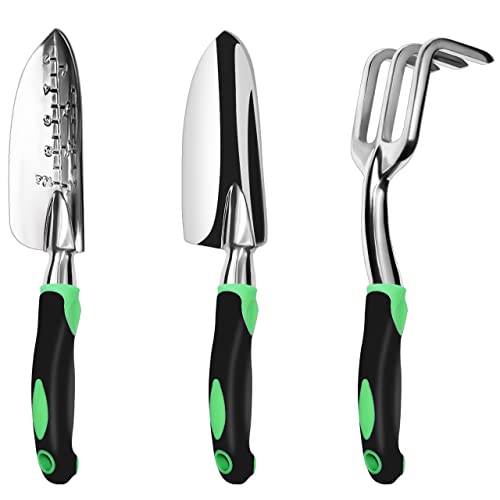


Every vegetable gardener relies on a set of basic hand tools. These are your main helpers for planting, weeding, digging, and caring for your crops.
Garden Trowel

A garden trowel is a small, handheld shovel. It’s perfect for digging holes for seeds and seedlings, mixing soil, and transferring plants.
Look for a trowel with a comfortable grip and a sturdy, rust-resistant metal blade. Stainless steel lasts longer and is easier to clean than cheaper metals.
New gardeners often buy the cheapest trowel, but a poorly-made one can bend or break in tough soil. Investing a little more in a quality trowel will save frustration and replacement costs later.
Hand Fork

A hand fork (sometimes called a cultivator) helps break up soil and remove weeds. Its prongs are great for loosening compacted earth without disturbing plant roots. This tool is especially useful when working around closely planted vegetables.
A common beginner mistake is using a trowel for everything, but a hand fork makes weeding and mixing compost much easier, especially in heavy or clay soils.
Pruning Shears

Pruning shears (or secateurs) are scissors made for plants. They’re essential for snipping off dead leaves, harvesting herbs, or trimming stems. Choose bypass shears (two blades sliding past each other) for most garden tasks, as these make cleaner cuts that heal faster.
Don’t use ordinary scissors—they can crush plant tissue, leading to disease and slow healing.
Garden Gloves

Garden gloves protect your hands from thorns, blisters, and soil-borne bacteria. Thin, flexible gloves allow you to feel what you’re doing, while heavier gloves are better for tough jobs. Some gardeners skip gloves, but even a small cut can get infected in the garden.
If your soil is rocky or you’re handling prickly plants, invest in gloves with reinforced fingertips.
Hand Weeder

A hand weeder is a narrow tool with a forked end. It’s designed for prying up weeds by the roots, especially those with long taproots like dandelions. Pulling weeds by hand often leaves roots behind, so a proper weeder saves time and reduces regrowth.
Garden Hoe

The garden hoe is used for breaking up soil, making planting rows, and chopping weeds. There are several types, but a basic draw hoe (flat blade at the end of a handle) works well for most beginners. If you have larger beds, a hoe makes it easier to keep pathways clear and soil loose.
Transplanter

A transplanter is a narrow-bladed trowel, ideal for planting seedlings or bulbs. It allows you to dig precise holes and move young plants without damaging their roots.
Transplanters are not strictly required if you already have a trowel, but many beginners find them helpful for delicate work.
Essential Long-handled Tools


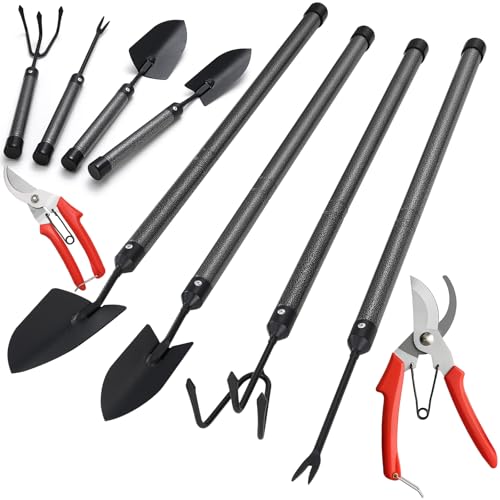


Larger tools help you tackle bigger jobs and avoid back strain. Not every beginner needs all of these, but most gardens benefit from at least a few.
Garden Spade

A garden spade is a short, flat-bladed shovel. It’s perfect for edging beds, digging, and turning soil. It can also be used for dividing perennials or mixing in compost.
Choose a spade with a strong shaft (wood or fiberglass) and a comfortable D-shaped handle.
Garden Fork

A garden fork looks like a large version of a hand fork, with four sturdy tines. It’s ideal for turning soil, aerating beds, and lifting root crops like potatoes. Garden forks are especially useful in heavy clay or compacted soils where shovels struggle.
Garden Rake

A garden rake has stiff metal tines and is used for leveling soil, removing stones, and breaking up clumps. It’s different from a leaf rake, which is lighter and meant for moving leaves.
After digging or tilling, a garden rake helps create a smooth, even surface for planting seeds.
Hoe (long-handled)

A long-handled hoe lets you weed and break up soil without bending over. For larger beds or rows, this tool is much more efficient than a hand hoe.
Watering Can

A watering can is essential if your garden is not close to a hose. Choose one with a detachable rose (sprinkler head) for gentle watering that won’t wash away seeds or damage young plants.
Plastic cans are lighter, but metal ones last longer. Always rinse after use, especially if you use liquid fertilizer.
Garden Hose And Nozzle

If you have a bigger garden or raised beds, a garden hose with a spray nozzle saves a lot of time. Look for a nozzle with adjustable spray patterns for seedlings, mature plants, and cleaning tools.
A hose reel or hanger keeps your hose neat and prevents damage.
Wheelbarrow Or Garden Cart

A wheelbarrow or garden cart makes it easy to carry soil, compost, plants, and tools. Even a small garden benefits from a cart, especially if you need to move heavy bags or mulch.
Plastic wheelbarrows are lighter and don’t rust, but metal ones are more durable for heavy loads.
Soil Preparation And Testing Tools


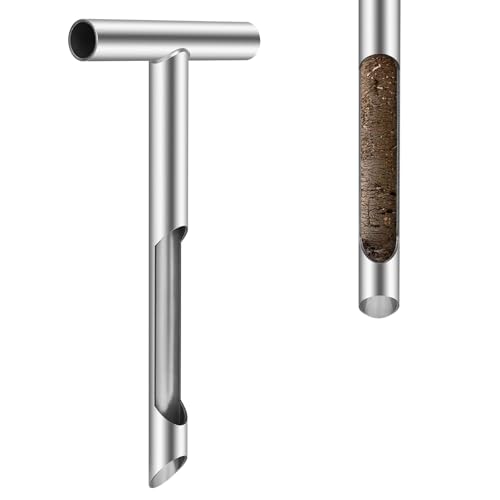


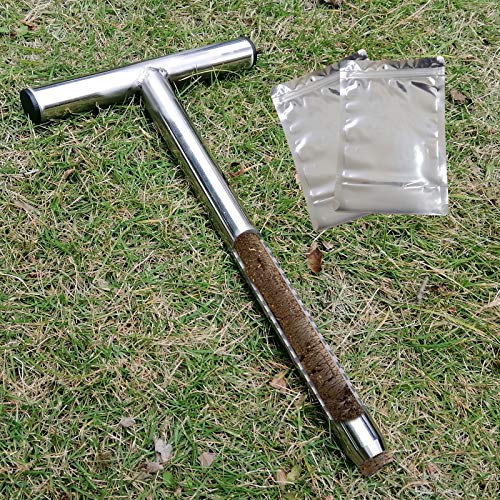

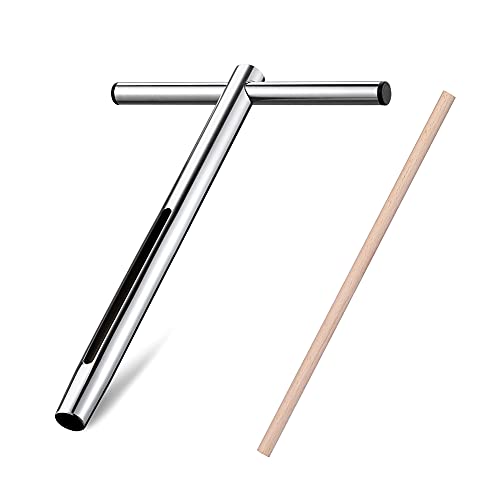


Good soil is the foundation of a healthy vegetable garden. Before planting, you need to prepare and test your soil.
Garden Shovel

A garden shovel is larger than a trowel, with a rounded or pointed blade. It’s used for digging large holes, turning compost, and moving soil in bulk. For new beds, a sharp shovel helps break ground and shape your garden.
Soil Test Kit
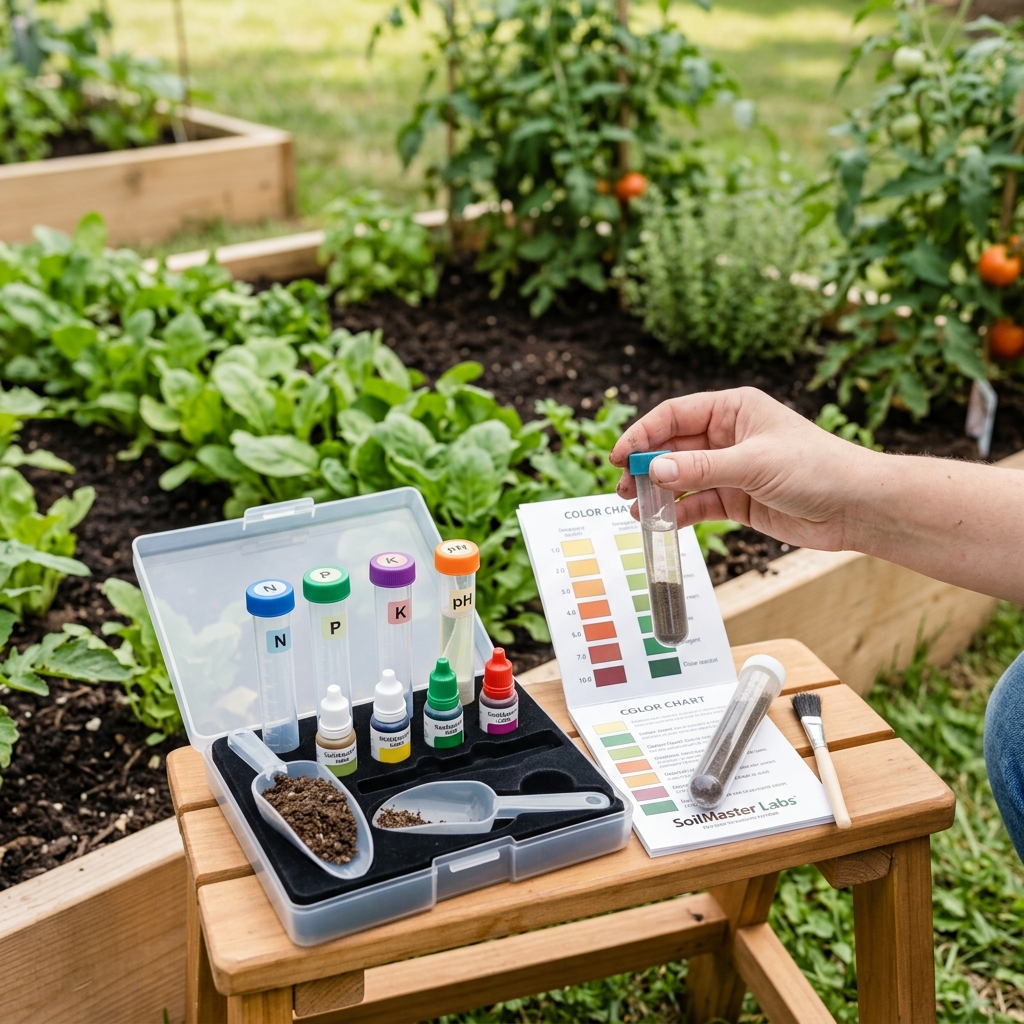
A soil test kit checks your soil’s pH, nutrient levels, and sometimes texture. Vegetables need different nutrients than flowers or lawns. Testing before you plant helps you add the right fertilizers and amendments.
Many beginners skip soil testing, then wonder why their plants fail. Even a simple kit from a hardware store gives valuable information. For very accurate results, you can send soil samples to a local extension service.
Garden Sieve
A garden sieve or soil sifter is a mesh frame for removing stones, roots, and debris from soil. This is especially useful if your soil is rocky or full of clumps. Fine, loose soil helps seeds germinate and roots grow strong.
Tools For Planting And Sowing
Planting is more successful with the right tools. These make it easier to space seeds, dig holes, and water gently.
Dibber
A dibber is a pointed stick for making holes in the soil for seeds or seedlings. It ensures uniform depth and spacing, which is important for even germination.
Some gardeners use a finger or a stick, but a dibber is faster and more accurate.
Plant Labels And Marker
Plant labels help you remember what you planted and where. Use waterproof labels and a permanent marker so the writing doesn’t wash away.
Many beginners skip labeling, then forget which seedlings are which. This leads to confusion and accidental weeding of good plants.
Seed Spacing Tool
A seed spacing tool is a simple device or template to help you plant seeds at the right distance. Proper spacing prevents crowding and reduces disease risk. It’s especially useful for crops like carrots and lettuce.
Watering Wand
A watering wand attaches to a hose and delivers a gentle shower of water. This is ideal for seedlings and delicate plants, as it won’t disturb soil or wash away seeds.
Pest And Disease Management Tools
Protecting your vegetables from pests and diseases is part of every gardener’s job. The right tools help you spot problems early and respond quickly.
Garden Spray Bottle
A spray bottle is useful for applying organic pest solutions or foliar feeds. Always label your bottles and never use the same sprayer for herbicides and insecticides.
Row Covers And Plant Netting
Row covers are lightweight fabrics that protect plants from insects and frosts. Plant netting keeps birds and larger pests out. These barriers are often more effective (and safer) than chemical sprays.
Hand Lens Or Magnifier
A hand lens helps you spot tiny pests like aphids or early signs of disease. Early detection makes treatment more effective and prevents bigger problems.
Slug And Snail Traps
If you live in a wet climate, slug traps can save your lettuce and strawberries. Simple traps (like beer in a shallow dish) are cheap and effective.
Harvesting Tools
When your vegetables are ready, the right tools make harvesting easier and reduce damage to plants.
Harvesting Knife
A harvesting knife is strong and sharp, perfect for cutting thick stems (like cabbage or squash). Always keep your knife clean and dry to prevent rust.
Garden Scissors
Garden scissors are useful for harvesting herbs, greens, and small fruits. They make cleaner cuts than tearing by hand, which helps plants recover.
Harvest Basket Or Trug
A harvest basket keeps your produce clean and undamaged. Trugs (shallow, handled baskets) are easy to carry and rinse. Some gardeners use buckets, but baskets allow air flow and reduce bruising.
Useful Accessories And Extras
While not strictly essential, these extras make gardening easier and more enjoyable.
Kneeling Pad Or Garden Kneeler
A kneeling pad saves your knees from hard or wet ground. Some kneelers double as small seats, useful for longer tasks.
Tool Belt Or Caddy
A tool belt or caddy keeps your tools within reach. Many beginners waste time searching for lost trowels or labels. Staying organized saves time and frustration.
Compost Bin Or Pile
A compost bin turns garden waste into rich fertilizer. Even a small pile will improve your soil and reduce trash. Start with kitchen scraps (not meat or dairy) and garden clippings.
Rain Gauge
A rain gauge measures rainfall in your garden. Over-watering is a common mistake, so tracking natural rain helps you water only when needed.
Plant Supports
Plant supports (stakes, cages, or trellises) are vital for crops like tomatoes, peas, and beans. Supporting plants prevents breakage, reduces disease, and increases yield.
Storage Shed Or Box
A storage shed or weatherproof box keeps your tools safe and dry. Wet tools rust quickly, and lost tools cost money.
Comparing Core Tools For New Gardeners
To help you decide which tools matter most, here’s a comparison of their main uses and importance:
| Tool | Main Function | Essential for All? | Beginner Tip |
|---|---|---|---|
| Garden Trowel | Digging, planting, mixing soil | Yes | Choose stainless steel for durability |
| Hand Fork | Weeding, loosening soil | Yes | Great for tough or clay soil |
| Pruning Shears | Cutting, harvesting | Yes | Keep blades sharp and clean |
| Garden Hoe | Weeding, making rows | Yes for larger beds | Avoid using near young plants |
| Watering Can | Watering plants | Yes | Use a rose for gentle watering |
Choosing Between Wheelbarrow Types
Moving soil, compost, and plants is much easier with a wheelbarrow or cart. Here’s how the main options compare:
| Type | Material | Weight | Best For | Downside |
|---|---|---|---|---|
| Standard Wheelbarrow | Metal | Heavier | Heavy loads, digging projects | Rusts if left wet |
| Plastic Wheelbarrow | Plastic | Lighter | Light garden work, moving plants | May crack in cold weather |
| Garden Cart | Plastic/Metal | Medium | Flat ground, large gardens | Harder to maneuver in tight spaces |
Soil Testing: At-home Vs. Lab Analysis
Understanding your soil helps you avoid costly mistakes. Here’s a quick look at your main testing options:
| Method | Cost | Accuracy | Measures | Speed |
|---|---|---|---|---|
| At-Home Kit | Low ($10-20) | Basic | pH, Nitrogen, Phosphorus, Potassium | Minutes |
| Lab Analysis | Medium ($20-40) | High | pH, Macro/Micro Nutrients, Texture | Days to Weeks |
Non-obvious Insights For First-time Gardeners
Many first-time gardeners make similar mistakes, not because they lack effort, but because some lessons only come with experience. Here are two insights you might not hear elsewhere:
1. Quality over quantity: It’s better to have a few well-made, comfortable tools than a shed full of cheap gadgets. Good tools save time, prevent injury, and last for years. For example, a quality trowel or pair of shears will outlast several bargain versions.
2. Keep tools clean and sharp: Dull or dirty tools spread disease and make every task harder. Wipe down metal tools after each use, sharpen blades regularly, and store everything dry. A few minutes of care extends tool life and keeps your plants healthy.
Mistakes To Avoid When Buying Tools
Buying the wrong tools wastes money and can make gardening frustrating. Here are common mistakes:
- Choosing by price alone: Cheap tools break quickly or work poorly. Check reviews and try tools for comfort before buying.
- Buying too many tools: Start with essentials. You can add specialized tools as you learn what you really need.
- Ignoring ergonomics: Handles should fit your hand size and grip. Uncomfortable tools cause blisters or wrist pain.
- Forgetting storage: Wet tools rust, and lost tools cost money. Set up a storage spot before you start.
- Overlooking safety: Always use gloves and keep sharp tools away from children and pets.
Real-world Example: A Small Starter Garden
Imagine you have a 10 x 10 foot backyard plot. What are the absolute essentials? You could start with:
- Garden trowel
- Hand fork
- Pruning shears
- Garden gloves
- Garden spade or fork
- Watering can or hose
- Rake
- Plant labels
- Kneeling pad
With these, you can plant, weed, water, and harvest most common vegetables. As your garden grows, you can add more tools based on your needs.
Where To Learn More?
Many universities and gardening organizations offer free resources for new gardeners. For detailed advice on soil testing, planting times, and pest control, the University of Minnesota Extension is a trusted source.
Frequently Asked Questions
What Are The Absolute Must-have Tools For A First Vegetable Garden?
At a minimum, you need a garden trowel, hand fork, pruning shears, garden gloves, watering can or hose, and a spade or fork. These cover basic planting, weeding, watering, and harvesting needs.
Is It Better To Buy A Tool Set Or Individual Tools?
For most beginners, buying individual tools is better. Tool sets often include items you’ll rarely use, or the quality is lower. Focus on high-quality essentials first, then add more as needed.
How Do I Know If A Tool Is Good Quality?
Check for solid construction (no loose parts), comfortable grips, and metal that resists rust. Stainless steel is best for most hand tools. Read online reviews and, if possible, try tools in person to see how they feel.
How Often Should I Clean And Sharpen My Tools?
Clean tools after each use by brushing off soil and wiping blades. Sharpen cutting tools (like shears and knives) every few weeks during the growing season, or more often if you use them heavily.
Can I Garden Without Any Special Tools?
You can start small with just your hands and basic household items, but proper tools make gardening faster, easier, and more productive. Even a basic trowel and gloves are worth the investment.
Getting the right tools is a wise investment for any first-time vegetable gardener. With this guide, you can choose confidently, avoid common mistakes, and set yourself up for a successful, enjoyable gardening season.
Whether you’re growing a few herbs or a full bed of vegetables, the right tools make every task easier and more rewarding.
Happy gardening!

Sabbir Ahmed is an experienced gardener and the lead voice behind GardenToolsGuide.com, where he combines over 15 years of hands-on horticultural expertise with a passion for sustainable cultivation. Specializing in organic soil health and permaculture, Sabbir has dedicated his career to testing and refining the best methods for maintaining thriving green spaces. His mission is to simplify the complexities of gardening by providing practical, tool-focused advice that helps fellow enthusiasts—from beginners to seasoned pros—grow nutrient-dense food and beautiful landscapes with efficiency and ease.