

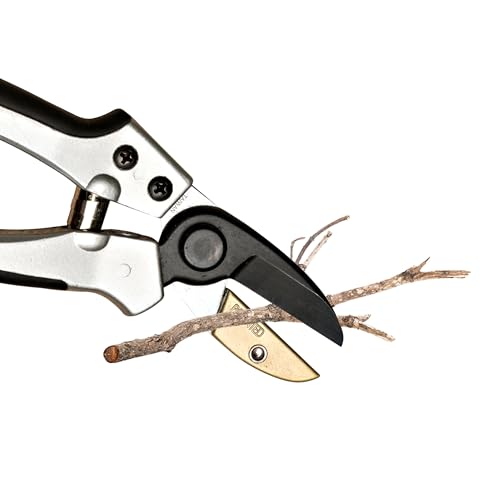
Anvil pruners are a gardener’s best friend for cutting tough stems and branches. Unlike bypass pruners, which work like scissors, anvil pruners have one sharp blade that presses down onto a flat surface, called an anvil.
This design makes them great for dry, hard wood, but it also means the blade takes a lot of force and can become dull fast. If you use anvil pruners regularly, you may notice they don’t cut like they used to.
But how do you really know when they need sharpening? Recognizing the signs early can save you time, effort, and keep your plants healthy.
Some gardeners wait until their pruners feel almost unusable before thinking about maintenance. This is a mistake. Dull pruners not only make your work harder, they can damage plant tissue, making cuts jagged and increasing the risk of disease.
For anyone who wants to keep their garden tools performing well, knowing when to sharpen is just as important as knowing how to prune.
Let’s explore the clear signs, practical tests, and expert tips to decide when your anvil pruners need attention.
Understanding Anvil Pruners

Anvil pruners are different from bypass pruners in both design and purpose. The single sharp blade presses against a flat, usually softer, metal surface.
This mechanism is perfect for cutting through dead wood, but less ideal for green, soft stems. The blade must be sharp to slice cleanly; a dull blade will crush instead of cut.
Key Features
- Single cutting blade: One blade does all the work.
- Flat anvil: Receives the cutting action, often made of softer metal.
- Cutting action: Slices down, not sideways.
Common Uses
- Trimming dead or hard wood
- Cutting thick stems
- Removing old growth



Why Sharpening Matters?
A sharp blade means less force needed, cleaner cuts, and less strain on your hand. If you ignore sharpening, the blade can start crushing branches, making the job harder and risking plant health. Many beginners don’t realize that even a slightly dull blade can make a big difference.
Also Read: How to Fix a Leaking Garden Sprayer Nozzle?
Signs Your Anvil Pruners Need Sharpening
Recognizing when your pruners need sharpening isn’t always obvious. Here are several signs to look for:
1. Difficulty Cutting
If you notice you are squeezing much harder than usual, it’s a clear sign. A sharp blade should slice through branches with moderate pressure. Increased resistance means the blade edge is worn.
2. Jagged Or Crushed Cuts
Inspect the cuts you make. If the stem or branch looks crushed, splintered, or jagged instead of cleanly sliced, the blade is dull. Clean cuts heal faster; jagged ones expose plants to disease.
3. Blade Slipping Off
Sometimes, the blade slides off the branch instead of biting in. This usually happens when the edge is too blunt or rounded.
4. Visible Nicks And Burrs
Look closely at the blade under good light. If you see nicks, burrs, or uneven spots, sharpening is needed. Even small defects can affect performance.
5. Squeaking Or Sticking
Dull blades often make pruners feel sticky or squeaky, especially if you have to twist or force them. Lubrication helps, but if the problem persists, check the blade.
6. Increased Hand Fatigue
If your hand gets tired faster or you need both hands to operate the pruners, the blade likely needs sharpening. Many beginners miss this sign, thinking their grip is weak when it’s actually tool maintenance.
7. Plant Damage
After pruning, if the plant shows signs of stress, wilting, or slow healing at the cut site, the blade may be dull. Clean cuts help plants recover quickly.
Quick Tests For Sharpness
You don’t need special equipment to test if your pruners are sharp. Here are simple ways to check:
The Paper Test
Hold a piece of regular paper between the pruner blades and squeeze. A sharp blade will slice cleanly through the paper. If it tears or crushes the paper, sharpening is needed.
The Thumb Test
Carefully run your thumb across (not along) the blade edge. You should feel a slight bite. A dull edge feels smooth or rounded.
The Branch Test
Try cutting a fresh, pencil-thick branch. If you need excessive force or the cut is messy, the blade is dull.
The Visual Inspection
Use a magnifying glass to examine the blade. Light reflecting off the edge shows rounded spots; a sharp blade barely reflects light.
How Often Should You Sharpen Anvil Pruners?
Frequency depends on usage. Professional gardeners may sharpen weekly, while occasional users can go months. Here’s a general guideline:
| Usage Level | Sharpening Interval |
|---|---|
| Heavy (daily use) | Every 1-2 weeks |
| Moderate (weekly use) | Every 1-2 months |
| Light (monthly use) | Every 3-6 months |
Weather, branch type, and tool quality also affect sharpening needs. Cutting dry, hard wood dulls blades faster.
Comparing Anvil And Bypass Pruners
Many gardeners confuse the two types. Understanding the difference helps you spot sharpening needs quicker.
| Feature | Anvil Pruners | Bypass Pruners |
|---|---|---|
| Blade Design | Single blade + flat anvil | Two blades, scissors action |
| Best for | Hard, dead wood | Green, soft stems |
| Sharpening Frequency | More often | Less often |
| Common Issues | Crushing, dulling | Jamming, misalignment |
Bypass pruners stay sharp longer, but anvil pruners require more frequent maintenance because of their cutting action.
Practical Maintenance Tips
Sharpening isn’t the only maintenance task. Regular care extends tool life and keeps cuts clean.
Cleaning
Always clean your pruners after use. Sap, dirt, and plant debris can dull blades. Wipe with a damp cloth and dry thoroughly.
Lubrication
Apply a drop of oil to moving parts every few uses. This prevents rust and keeps the mechanism smooth.
Storage
Store pruners in a dry place. Moisture causes rust, which dulls blades quickly.
Blade Alignment
Check the blade and anvil alignment. Misalignment causes uneven cuts and speeds up dulling.
Anvil Replacement
If the anvil surface is deeply scored or dented, replace it. A damaged anvil can ruin a sharp blade.
How To Sharpen Anvil Pruners?
When you see clear signs of dullness, sharpening is the next step. Here’s a brief guide:
Tools Needed
- Fine file or sharpening stone
- Clean cloth
- Lubricating oil
Steps
- Disassemble pruners: Remove the blade if possible.
- Clean blade: Wipe off sap and debris.
- Sharpen blade: Hold at the original angle and draw the file or stone across the edge in one direction.
- Check sharpness: Use the paper test.
- Reassemble and lubricate: Put the pruners back together, oil moving parts.
Always sharpen only the cutting edge, not the flat anvil.
Common Mistakes
- Sharpening both sides of the blade (ruins the edge)
- Using sandpaper (too rough)
- Over-sharpening (weakens blade)
Effects Of Dull Pruners On Plants
Using dull anvil pruners doesn’t just slow you down—it can harm your plants. Here’s how:
Increased Disease Risk
Jagged cuts expose more plant tissue, increasing the chance of infection.
Slow Healing
Plants heal best from clean cuts. Dull pruners leave wounds that take longer to close.
Reduced Growth
Damaged stems may grow poorly or not at all. Clean cuts encourage healthy regrowth.
Waste Of Effort
You spend more time and energy for less result. This is especially true with thick or woody stems.
What Causes Blades To Dull Quickly?
Many gardeners are surprised by how fast blades lose their edge. Key causes include:
Cutting Hard, Dry Wood
This puts more stress on the blade and wears it down faster.
Lack Of Cleaning
Sap and debris build up, making the edge blunt.
Poor Storage
Moisture and rust are silent blade killers. Always store pruners dry.
Using Pruners For Wrong Materials
Never use pruners to cut wire, plastic, or anything besides plant stems.
Skipping Lubrication
Moving parts grind against each other without oil, causing micro-damage.
Sharpening Vs. Replacing: When To Buy New Pruners
Sometimes, sharpening isn’t enough. Here’s how to decide:
| Condition | Sharpen or Replace? |
|---|---|
| Minor dullness, no nicks | Sharpen |
| Deep nicks or cracks | Replace blade |
| Broken handle or mechanism | Replace pruners |
| Anvil deeply scored | Replace anvil |
| Severe rust | Replace pruners |
Don’t waste time sharpening a blade that’s beyond repair.
Expert Tips For Keeping Pruners Sharp
Here are some practical, less obvious insights many beginners miss:
- Sharpen after big jobs: If you’ve cut a lot of dry wood, sharpen immediately. Waiting until the next session means starting with a dull tool.
- Check alignment regularly: Even a sharp blade won’t work well if the anvil is misaligned. Adjust screws as needed.
- Use a blade protector: Some pruners come with a cover. Use it to prevent accidental dulling during storage.
- Avoid water: Never wash pruners in water. Use a damp cloth, then dry completely.
- Mark your sharpening interval: Keep a note or calendar reminder. Many gardeners forget until the tool is unusable.
Common Questions Beginners Ask
Many new gardeners struggle to recognize dullness. Here are answers to frequent questions:
Why Are My Pruners Crushing Instead Of Cutting?
This almost always means the blade is dull. Sharpen the edge, check alignment, and clean any debris.
How Can I Tell If The Anvil Needs Replacement?
If the anvil is deeply scored, dented, or has metal flaking off, replace it. A damaged anvil ruins even a sharp blade.
Can I Use Household Sharpeners?
Yes, but use a fine file or stone. Avoid kitchen knife sharpeners—they are usually too coarse.
How Do I Avoid Dulling The Blade Too Quickly?
Clean after each use, store dry, and only cut plant material. Sharpen regularly, not just when performance drops.
Is It Better To Buy Expensive Pruners?
Higher quality pruners hold their edge longer and are easier to sharpen. But even the best tools need regular maintenance.
Frequently Asked Questions
What Is The Best Way To Test Anvil Pruner Sharpness?
The paper test is simple and effective. Try slicing a sheet of paper; a sharp blade cuts cleanly, a dull one tears.
How Often Should I Sharpen Anvil Pruners?
It depends on usage. For heavy use, every 1-2 weeks; for occasional use, every few months. Mark your calendar for reminders.
Can Sharpening Too Often Damage The Blade?
Yes. Over-sharpening removes metal and weakens the blade. Sharpen only when signs of dullness appear.
Should I Lubricate Before Or After Sharpening?
Always lubricate after sharpening. Oil keeps the mechanism smooth and protects against rust.
Where Can I Find Official Maintenance Guides?
For detailed instructions, visit the Felco Official Site, a trusted manufacturer of pruning tools.
Keeping your anvil pruners sharp is not just about tool performance—it’s about plant health and efficient gardening. Recognizing the signs of dullness, testing sharpness, and regular maintenance will ensure your pruners last longer and your cuts stay clean.
With these practical tips and expert advice, you’ll always know when your anvil pruners need sharpening.

Sabbir Ahmed is an experienced gardener and the lead voice behind GardenToolsGuide.com, where he combines over 15 years of hands-on horticultural expertise with a passion for sustainable cultivation. Specializing in organic soil health and permaculture, Sabbir has dedicated his career to testing and refining the best methods for maintaining thriving green spaces. His mission is to simplify the complexities of gardening by providing practical, tool-focused advice that helps fellow enthusiasts—from beginners to seasoned pros—grow nutrient-dense food and beautiful landscapes with efficiency and ease.