

Gardening brings peace, satisfaction, and beauty to any home. Yet, maintaining neat garden edges is a challenge for many. Have you ever noticed how a well-defined lawn edge makes the whole yard look sharper and more cared for?
This is where garden hand edgers come in. These simple tools help create clean lines between grass, flower beds, and walkways, making your garden look professional—even if you’re just a weekend gardener.
While big power tools can also edge lawns, hand edgers offer control, precision, and a quiet, eco-friendly option. They’re perfect for small or medium gardens, and give you that up-close connection with your plants.
But not all hand edgers are the same. Some are better for straight lines, others for curves. Some fit certain soil types best, and some are easier on your back and wrists. With so many choices, it’s easy to feel confused.
This guide will help you understand everything about garden hand edgers: types, uses, features, how to pick the right one, and tips for best results. By the end, you’ll know exactly how to make your garden edges stand out—without breaking a sweat.
What Is A Garden Hand Edger?
A garden hand edger is a manual tool designed to create sharp, defined borders in your garden. It separates grass from flower beds, walkways, and driveways. By cutting through turf and soil, it stops grass and weeds from growing into unwanted spaces. Most hand edgers are simple in design, with either a blade or wheel that you push or step on.
The main purpose is to give your garden a polished, organized look. Edgers also make maintenance easier, as clear borders help prevent overgrowth and reduce the need for frequent trimming.
Also Read: Bulb Planters: The Ultimate Guide to Effortless Gardening
Types Of Garden Hand Edgers
Choosing the right hand edger starts with understanding the different types available. Each type fits a specific task and garden style.
1. Half-moon (manual) Edger
This classic design features a semi-circular blade attached to a long handle. You press the blade into the soil with your foot and rock it back and forth to cut clean edges.
Best for: Straight lines along lawns and garden beds.
Pros: Simple, durable, affordable.
Cons: Not great for curves or very hard soil.
2. Rotary (wheel) Edger
The rotary edger has a spiked wheel attached to a handle. You roll the wheel along the edge you want to cut, and its sharp teeth slice through the turf.
Best for: Long, straight paths and hard-to-reach spots.
Pros: Fast, creates smooth continuous edges.
Cons: Can struggle in very thick or tough grass.
3. Step Edger
Similar to the half-moon, but often wider and with a larger foot platform. You step down hard to cut the edge in one motion.
Best for: Cutting new edges or deepening existing ones.
Pros: Quick, powerful, often easier for deeper cuts.
Cons: Not as precise for curves or detail work.
4. Handheld (mini) Edger
A small, short-handled tool, sometimes shaped like a knife or spade. Designed for close-up work and small gardens.
Best for: Tight corners, raised beds, delicate edges.
Pros: Very precise, good for detail.
Cons: Slow for large areas, requires kneeling or bending.
5. Dual-wheel Edger
This tool uses two wheels for stability and a sharp edge between them. You push it along the border, and it slices through grass and soil.
Best for: Even, straight borders on level ground.
Pros: Easy to use, less likely to wobble.
Cons: Less effective on uneven terrain.
Why Use A Garden Hand Edger?
If you’ve ever tried trimming garden edges with scissors or a spade, you know how uneven and ragged the results can be. Hand edgers solve this problem.
Main benefits:
- Precision: Creates crisp, clean lines for a professional look.
- Control: You decide exactly where the edge goes.
- Quiet: No noisy engines or fumes.
- Eco-friendly: No fuel or electricity needed.
- Safety: Less risk than powered tools.
An often-overlooked benefit is how a well-edged garden discourages weeds and lawn grass from invading flower beds. This means less weeding and more time to enjoy your garden.
Key Features To Look For
Not all hand edgers are made the same. Here are the most important features to consider before buying one:
1. Blade Material:
Look for high-quality steel. Stainless or carbon steel stays sharp longer and resists rust.
2. Blade Shape:
Straight blades are best for lines; rounded blades work well on curves.
3. Handle Length:
Longer handles are easier on your back. Short handles are better for detail work.
4. Grip Comfort:
Cushioned or ergonomic grips reduce hand fatigue, especially for larger jobs.
5. Weight:
Lightweight tools are easier to maneuver, but heavier tools can cut deeper.
6. Edge Depth:
Some edgers allow you to adjust how deep you cut. This is useful for different soil types.
7. Maintenance Needs:
Tools with fewer moving parts are easier to clean and less likely to break.
Non-obvious insight: Many beginners forget to check the width of the blade. A wider blade covers more ground but can be harder to control for tight turns. If your garden has lots of curves, a narrow blade is best.
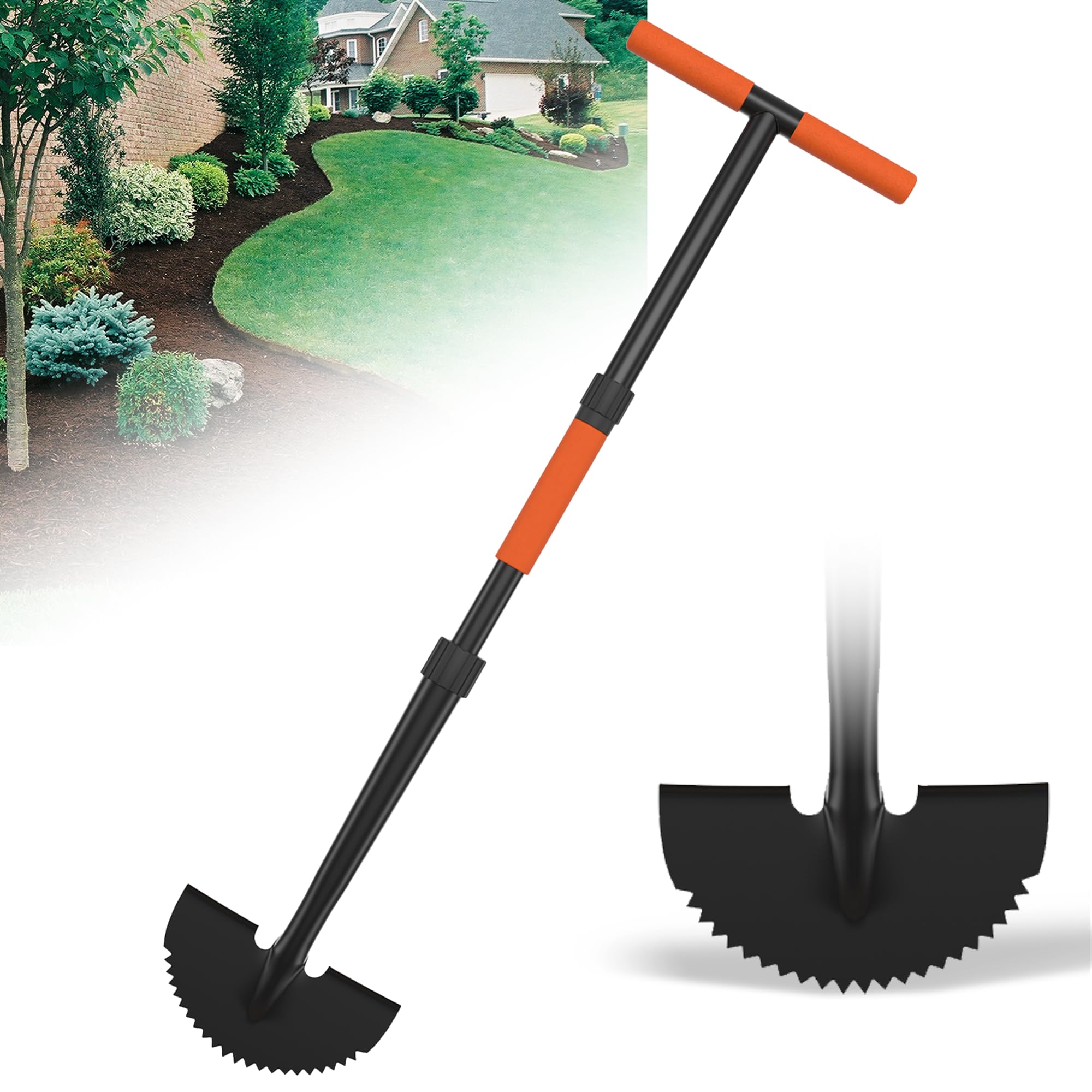
Credit: www.amazon.com
How To Use A Garden Hand Edger Effectively
Getting great results with a hand edger is about more than just pushing or stepping. Here’s a step-by-step guide for clean, lasting edges:
1. Mark The Edge:
Use a garden hose or string to outline your border. This helps keep lines straight or curves even.
2. Water The Area:
Lightly watering the soil a few hours before edging makes it softer and easier to cut.
3. Position The Edger:
Place the blade where you want the edge. For half-moon edgers, step down firmly with your foot.
4. Cut Slowly:
Move along the marked line, lifting and re-placing the edger as needed. For rotary edgers, roll slowly to give the blade time to cut.
5. Remove Excess Turf:
Use a spade or your hands to pull up the cut strip of grass and soil.
6. Clean The Edge:
Trim any loose grass with shears. Tidy up the bed for a finished look.
7. Maintenance:
Wipe blades clean after use, and sharpen them as needed.
Tip: Don’t try to edge when the soil is very dry or hard. You risk bending the blade or hurting your back.
Choosing The Right Garden Hand Edger For Your Needs
With so many options, picking the right hand edger can be confusing. Here’s how to make the best choice for your garden.
Assess Your Garden
- Size: Large lawns need faster tools (rotary or step edgers). Small spaces work well with handhelds.
- Shape: Lots of curves? Pick a narrow blade or handheld edger.
- Soil Type: Hard, rocky soil needs a strong blade and solid handle.
Consider Your Physical Comfort
Some people find heavy tools tiring. If you have back or wrist problems, choose a lightweight edger with a long handle.
Budget
Hand edgers are generally affordable, but prices can range from $20 to over $100 for high-end models. Don’t just pick the cheapest—invest in quality so it lasts for years.
Feature Comparison Table
Here’s a comparison to help you quickly see the differences:
| Edger Type | Best For | Blade Width | Ease of Use | Typical Price Range |
|---|---|---|---|---|
| Half-Moon | Straight lines | 6-10 inches | Moderate | $25-$60 |
| Rotary Wheel | Long borders | 1-2 inches | Easy | $30-$70 |
| Step Edger | Deep cuts | 8-12 inches | Easy | $40-$80 |
| Handheld | Detail work | 2-4 inches | Difficult | $15-$40 |
| Dual-Wheel | Even borders | 2-3 inches | Easy | $35-$90 |
Non-obvious insight: Many people buy a single edger, but serious gardeners often own two: one for main borders, another for detail work. This saves time and improves results.
Comparing Garden Hand Edgers To Powered Edgers
Why choose a manual tool over a powered one? Let’s look at the main differences:
| Feature | Hand Edger | Powered Edger |
|---|---|---|
| Noise | Very quiet | Loud |
| Cost | Low | High |
| Precision | Very precise | Good for straight lines |
| Maintenance | Minimal | More (fuel, parts) |
| Weight | Light | Heavy |
| Eco Impact | None | Some (fuel/electricity) |
| Physical Effort | More | Less |
Hand edgers give you more control, cost less, and last longer. Powered edgers are faster for large yards but require more care and cost.
Best Practices For Crisp Edges
To make your garden edges really stand out, follow these best practices:
- Edge regularly: Cutting just once a year leads to overgrown, messy borders. Aim for every 4-6 weeks during the growing season.
- Use mulch: After edging, apply mulch to beds. This keeps weeds down and maintains the crisp line.
- Sharpen your blade: A dull blade tears grass and soil, making messy edges. Sharpen with a file every few uses.
- Maintain a straight posture: Use your legs, not your back, to push or step on the edger. This prevents injury.
- Clean the tool: Wipe soil and grass off after each use. Store in a dry place to avoid rust.
Insider tip: Edging after mowing gives the cleanest results, as grass stands upright and is easier to trim.

Credit: www.amazon.com
Common Mistakes To Avoid
Even experienced gardeners sometimes make mistakes with hand edgers. Here’s what to watch out for:
- Edging too deep: This can damage roots and create a trench that’s hard to mow over.
- Using dry or hard soil: Makes work harder and can damage your tool.
- Ignoring curves: Trying to force a straight-line tool on a curve leads to jagged, uneven edges.
- Skipping maintenance: Rusty or dull blades won’t cut cleanly.
How To Maintain Your Garden Hand Edger
Taking care of your edger is simple but important. Here’s how to keep it working for years:
- Clean after each use: Remove soil, grass, and moisture.
- Dry thoroughly: Prevents rust, especially on steel blades.
- Sharpen blade: Use a mill file or sharpening stone for a crisp edge.
- Oil moving parts: For rotary edgers, a drop of oil on the wheel axle keeps it spinning smoothly.
- Store indoors: Hang on a wall or place on a shelf in a dry shed or garage.
Tip: Check the handle for cracks or splinters. Sand and oil wooden handles yearly to keep them strong.
When To Edge Your Garden
Timing matters more than you might think. The best time to edge is:
- After rain or watering: Soil is soft, making cutting easier.
- Spring and early summer: Plants are growing fast, so edges matter most.
- Late afternoon: Cooler temperatures reduce fatigue.
Avoid edging during drought or when soil is rock hard. This saves your energy and your tool.
Garden Hand Edgers For Different Soils
Not all soils are the same. Here’s how to choose and use an edger based on your soil type:
- Clay soil: Use a heavy-duty, sharp half-moon or step edger. Clay is dense and sticky, so a solid blade is needed.
- Sandy soil: Any edger works, but a wide blade can help create a defined edge quickly.
- Rocky soil: Go slow and use a durable blade. Avoid rotary edgers, as rocks can jam the wheel.
- Loamy soil: Easiest to edge. Any type works well.
Non-obvious insight: For gardens with lots of tree roots, a narrow hand edger or handheld tool allows you to work around obstacles without damaging roots.
Safety Tips When Using Garden Hand Edgers
Manual tools are generally safe, but it’s still possible to get hurt. Follow these safety steps:
- Wear sturdy shoes: Protect your feet, especially when stepping on blades.
- Gloves: Prevent blisters and give a better grip.
- Check for underground cables or pipes: Especially important along sidewalks and driveways.
- Keep fingers clear: Never touch the blade while in use.
Top Brands And Models
Some brands have a reputation for quality and durability. Here are a few that experienced gardeners trust:
- Radius Garden: Known for ergonomic handles and strong blades.
- Ames: Offers a wide range, from half-moon to rotary edgers.
- Fiskars: Popular for comfort and innovative design.
- Truper: Good for heavy-duty steel tools.
- Spear & Jackson: Classic British brand with solid construction.
When choosing, read reviews, check warranties, and if possible, try holding the tool in-store. Comfort matters more than you might think.
Cost And Value
A good hand edger is a long-term investment. Prices vary based on material, brand, and features. Most quality tools cost between $25 and $80. High-end models can go over $100, but this isn’t always necessary for home gardens.
Tip: More expensive doesn’t always mean better. Focus on blade quality, handle comfort, and reviews.
Environmental Impact
Hand edgers are a sustainable choice. They use no fuel, create no emissions, and last for decades with proper care. By choosing manual tools, you help reduce noise and air pollution in your neighborhood.
For more on sustainable gardening tools, visit Wikipedia.

Credit: victorygardensupply.ca
Quick Reference: Pros And Cons
Here’s a summary to help you decide if a garden hand edger is right for you:
| Pros | Cons |
|---|---|
|
|
Frequently Asked Questions
What Is The Best Type Of Garden Hand Edger For Beginners?
A half-moon edger is usually best for beginners. It’s simple to use, affordable, and works on most garden edges. Look for a model with a long, comfortable handle.
How Often Should I Edge My Garden?
Most gardens need edging every 4-6 weeks during the growing season. If you live in a wet climate where grass grows quickly, you might need to edge more often.
Can I Use A Hand Edger On Rocky Or Root-filled Soil?
Yes, but go slowly and use a strong, narrow-bladed edger. Avoid rotary edgers, as rocks and roots can jam the wheel or damage the blade. Sometimes you’ll need to use a spade for very tough spots.
Do I Need To Sharpen The Blade On My Hand Edger?
Yes, sharpening the blade every few uses keeps it cutting cleanly and makes the job easier. Use a flat file or sharpening stone, and always clean the blade first.
Is A Hand Edger Better Than A Powered Edger?
For small or medium gardens, a hand edger gives more precision and is quieter and more eco-friendly. Powered edgers are faster for large yards but cost more and need more maintenance.
A beautiful garden edge shows you care about every detail. With the right hand edger, a little time, and good technique, you can turn simple borders into eye-catching features. Whether you’re a beginner or a seasoned gardener, investing in a quality hand edger will reward you with a tidy, impressive yard for years to come.

Sabbir Ahmed is an experienced gardener and the lead voice behind GardenToolsGuide.com, where he combines over 15 years of hands-on horticultural expertise with a passion for sustainable cultivation. Specializing in organic soil health and permaculture, Sabbir has dedicated his career to testing and refining the best methods for maintaining thriving green spaces. His mission is to simplify the complexities of gardening by providing practical, tool-focused advice that helps fellow enthusiasts—from beginners to seasoned pros—grow nutrient-dense food and beautiful landscapes with efficiency and ease.