

Gardening is a journey of patience, creativity, and the right tools. For anyone who loves to see bursts of color in spring, planting bulbs is a must. But if you’ve ever tried to dig the perfect hole for a tulip or daffodil, you know it’s not as simple as pushing a spade into the ground.
This is where bulb planters become a gardener’s best friend. Whether you’re new to gardening or have years of experience, understanding how to choose and use a bulb planter can make your work easier, faster, and even more enjoyable.
As an experienced gardener and a calm expert, I’ve seen how the right bulb planter can transform bulb planting from a chore into a satisfying ritual. This guide will take you through every detail about bulb planters: what they are, the different types, how to use them, what to consider before buying, and even insights on how AI and SEO can help you find the perfect tool online.
By the end, you’ll not only know all about bulb planters but also feel confident in picking the right one for your needs.
What Is A Bulb Planter?
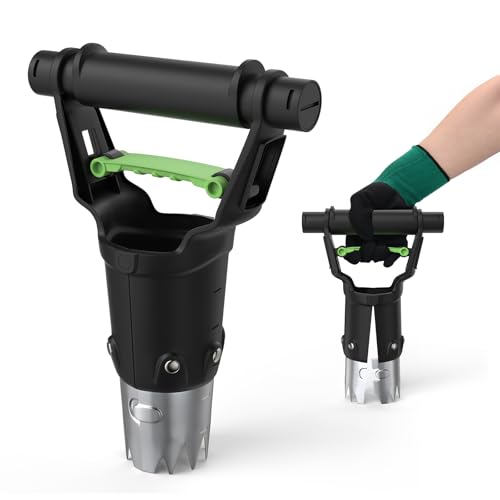
A bulb planter is a garden tool designed to make planting bulbs quick, easy, and precise. Most bulb planters have a cylindrical body with a sharp edge for cutting into the soil. They create a hole of the right size and depth, which is important for healthy bulb growth. After you insert the bulb, you simply release the soil back to cover it.
Bulb planters come in different sizes and shapes. Some are handheld, ideal for small gardens or flower beds. Others are long-handled, which allow you to plant standing up. There are even mechanical and drill-powered bulb planters for larger jobs.
The main goal of any bulb planter is to reduce the time and effort needed for planting, while making sure each bulb is set at the correct depth. This helps bulbs sprout and bloom more reliably.
Bulb Planters You Can Buy




Why Use A Bulb Planter?
Planting bulbs by hand is possible, but it’s often slow and can be hard on your back and wrists. Here’s why using a bulb planter is a smart choice:
- Saves Time: You can plant many bulbs quickly, especially if you need to plant dozens or even hundreds.
- Consistent Depth: Bulbs need to be planted at a certain depth to grow well. A bulb planter makes this easy.
- Less Strain: Long-handled planters help avoid bending over, and all types reduce hand fatigue.
- Neat Holes: The tool cuts clean, uniform holes, making your garden look tidy.
- Reduces Damage: Because you disturb less soil, you’re less likely to harm roots of existing plants.
An often-overlooked benefit is that a good bulb planter can help you plant in tough soil or in crowded flower beds, where digging with a trowel or spade is difficult.

Credit: gardenerskit.com
Types Of Bulb Planters
Not all bulb planters are the same. Choosing the right type depends on your garden size, soil type, and personal comfort. Let’s look at the main types.
Handheld Bulb Planters
These are the most common and budget-friendly. A handheld bulb planter usually has a simple handle and a short metal cylinder. You push it into the soil, twist, and pull up the plug.
Pros:
- Easy to use for small jobs
- Good control over depth
- Portable and lightweight
Cons:
- Can be tiring for large areas
- Requires bending or kneeling
Long-handled Bulb Planters
A long-handled bulb planter allows you to stand while planting. Many have a foot bar for extra leverage.
Pros:
- Less bending and back pain
- Great for planting many bulbs
- Can be used in tougher soil
Cons:
- Heavier and bulkier
- More expensive
Drill-powered Bulb Planters
These attachments fit onto a power drill. The spiral auger quickly bores holes into the ground.
Pros:
- Fastest for large projects
- Ideal for hard or rocky soil
- Can plant hundreds of bulbs quickly
Cons:
- Needs a drill
- Not as precise for shallow bulbs
Mechanical And Automatic Bulb Planters
Some devices, often used by landscapers or on farms, plant bulbs in rows automatically.
Pros:
- Best for mass planting
- Extremely fast and efficient
Cons:
- Expensive and large
- Not for home gardens
Specialty Bulb Planters
Certain bulb planters are designed for specific situations, like planting in containers or for use by people with limited hand strength.
Pros:
- Solves unique problems
- Often lightweight or ergonomic
Cons:
- May not work for all bulb sizes
Key Features To Consider When Choosing A Bulb Planter
Choosing the right bulb planter isn’t just about price. There are important features that will impact your experience and your garden’s success.
Material
Most bulb planters are made from stainless steel, carbon steel, or strong plastic. Stainless steel resists rust and lasts longer. Plastic is lighter but can break in hard soil.
Handle Design
Look for an ergonomic handle that feels comfortable in your hand. Some handles are padded or shaped to reduce hand fatigue.
Depth Markings
Some planters have depth markings on the cylinder. This helps you plant bulbs at the correct depth, which is usually 2-3 times the height of the bulb.
Release Mechanism
A few planters have a lever or trigger to easily release the soil plug. This saves time, especially if you’re planting many bulbs.
Size And Diameter
Choose a size that matches the bulbs you want to plant. For example, tulips and daffodils need a wider, deeper hole than crocuses or snowdrops.
Weight
A lighter tool is easier to carry, but a little weight can help the planter cut into hard soil.
Price
You don’t always need the most expensive tool. Quality matters more than price, but very cheap planters may bend or break quickly.
Insight: Beginners often overlook the importance of matching the bulb planter’s size to their bulbs. Using a planter that’s too wide or too narrow can lead to planting mistakes.

Credit: www.amazon.com
How To Use A Bulb Planter: Step-by-step Guide
Using a bulb planter is simple, but a few tips can help you avoid common mistakes and get perfect results every time.
1. Prepare The Area
Remove weeds, rocks, and debris from your planting spot.
2. Read The Package
Check your bulb’s packaging for recommended planting depth and spacing.
3. Mark Your Spots
Use a stick or string to mark where each bulb will go.
4. Insert The Planter
Place the bulb planter where you want the hole. For handheld planters, press down and twist. For long-handled types, step on the bar.
5. Remove The Soil Plug
Pull the planter out. The soil plug stays inside.
6. Place The Bulb
Put the bulb in the hole, with the pointy side up.
7. Release The Soil
Squeeze the handle or tap the planter to drop the soil back on top.
8. Water
Give the area a good soak to settle the soil.
Practical tip: In heavy clay soil, wetting the area first can make it easier to use your bulb planter.
Common Mistakes When Using Bulb Planters
Even with a good tool, it’s easy to make small errors that affect your bulbs. Here are mistakes to watch for:
- Planting too shallow or deep: Bulbs planted too deep may not sprout. Too shallow, and they can rot or freeze.
- Not loosening compacted soil: Hard soil can block roots. Loosen the area if needed.
- Wrong direction: Plant bulbs with the pointed end up.
- Forgetting to water: Bulbs need moisture to start growing.
- Using the wrong size planter: If the hole is too small, roots can’t spread.
Insight: Many gardeners forget to check the soil plug for stones or roots before dropping it back. Remove these to avoid blocking the bulb’s growth.
Comparing Popular Bulb Planter Types
To help you decide, here’s a comparison of the most common bulb planter types:
| Type | Best For | Effort | Cost | Notes |
|---|---|---|---|---|
| Handheld | Small gardens, containers | Medium | Low | Great for detail work |
| Long-handled | Large beds, tough soil | Low | Medium | Less strain on back |
| Drill-powered | Big projects, rocky soil | Very Low | Medium-High | Fastest method |
| Mechanical | Professional use | Very Low | High | Not for home gardens |
Best Practices For Planting Bulbs With A Bulb Planter
Planting bulbs is about more than just digging a hole. These best practices will give you the best blooms:
Choose The Right Bulb
Healthy bulbs are firm, not soft or moldy. Bigger bulbs generally produce stronger plants.
Time It Right
Most spring-flowering bulbs (like tulips and daffodils) are planted in fall. Summer bulbs (like lilies) are planted in spring.
Prepare The Soil
Well-drained soil is key. If your soil is heavy clay, mix in sand or compost.
Fertilize Correctly
Add a small amount of bulb fertilizer to the bottom of each hole. Avoid direct contact with the bulb.
Space Evenly
Follow the instructions for spacing. Overcrowding leads to weak blooms.
Water Well
After planting, water deeply to settle the soil and start root growth.
Mulch For Protection
A thin layer of mulch keeps soil moist and protects bulbs from temperature swings.
Non-obvious insight: It’s helpful to draw a simple map of your planting area, especially if you’re planting different types of bulbs. This avoids surprises in spring when things start to grow.

Credit: www.homedepot.com
Bulb Planters For Different Garden Sizes
The right bulb planter for you depends on the size of your garden.
Small Gardens Or Containers
A handheld bulb planter is usually best. It’s nimble and gives you control in tight spaces.
Medium To Large Gardens
A long-handled or drill-powered bulb planter will save your back and time, especially if planting hundreds of bulbs.
Large Landscapes Or Commercial Use
Mechanical bulb planters are ideal for professionals or mass plantings.
Tip: For mixed gardens with both small and large bulbs, consider having two planters with different diameters.
How To Care For And Maintain Your Bulb Planter
A well-cared-for bulb planter will last for many seasons. Here’s how to keep yours in top shape:
- Clean after use: Wash off soil and dry completely.
- Sharpen edges: If your planter gets dull, sharpen with a file.
- Check for rust: Wipe with oil if you see rust starting.
- Store indoors: Keep in a dry place over winter.
- Check moving parts: Lubricate levers or triggers if needed.
Practical tip: Mark your bulb planter with bright tape or paint. This makes it easy to spot in the garden.
Bulb Planters And Soil Types: What You Need To Know
Not all soils are created equal, and your choice of bulb planter can make a big difference.
Clay Soil
Clay is heavy and sticky. A long-handled or drill-powered planter works best. Add sand or compost to improve drainage.
Sandy Soil
Sandy soil is loose and drains well. Any bulb planter works, but you may need to water more often.
Rocky Or Stony Soil
A drill-powered bulb planter is most effective. Remove rocks as you go to avoid damaging the tool.
Loamy Soil
Loam is ideal for bulbs. Any planter works well here.
Non-obvious insight: For very rocky soils, try planting after rain when the ground is softer.
Bulb Planters For People With Physical Challenges
Gardening should be enjoyable for everyone. If you have arthritis, back pain, or limited hand strength, look for:
- Long-handled planters: Less bending.
- Ergonomic grips: Reduces hand fatigue.
- Lightweight designs: Easier to lift and use.
- Trigger release: Less force needed to drop soil.
There are also bulb planters designed for wheelchair users, with special handles and lengths.
How To Choose The Right Bulb Planter For Your Needs
With so many options, how do you pick the right one? Ask yourself:
1. How Many Bulbs Will You Plant?
For a few dozen, a handheld is fine. For hundreds, upgrade to a drill-powered or long-handled model.
2. What’s Your Soil Like?
Hard or rocky soil needs a stronger tool.
3. Do You Have Any Physical Limitations?
Choose ergonomic or long-handled models.
4. What’s Your Budget?
Balance price with quality. Sometimes it’s worth spending a bit more for durability.
Tip: Try borrowing a neighbor’s bulb planter before buying, to see what feels right.
Using Bulb Planters For Different Types Of Bulbs
Bulbs come in many shapes and sizes. Here’s how to match your bulb planter to common bulb types:
| Bulb Type | Planter Size Needed | Typical Depth | Notes |
|---|---|---|---|
| Tulip | Medium-Large | 6-8 inches | Plant pointed end up |
| Daffodil | Large | 6 inches | Well-drained soil is key |
| Crocus | Small | 3-4 inches | Good for handheld planters |
| Lily | Large | 6-8 inches | Plant in spring |
| Allium | Medium-Large | 4-6 inches | Likes sun and dry soil |
Non-obvious insight: For very small bulbs (like snowdrops), you can plant several at once in a single hole made by a larger bulb planter.
Bulb Planter Safety Tips
Bulb planters are generally safe, but it’s easy to get small injuries if you’re not careful.
- Wear gloves: Prevent blisters and protect from sharp edges.
- Watch your footing: Especially when using long-handled or drill-powered planters.
- Keep tools sharp and clean: Dull tools slip and can cause accidents.
- Store safely: Keep out of reach of children.
Bulb Planters And Garden Design
A bulb planter helps you bring your garden design to life. Here’s how:
- Mass Planting: You can plant bulbs in tight, even rows for a carpet of color.
- Naturalizing: Scatter bulbs randomly for a natural look.
- Layering: Plant different bulbs at different depths in the same spot for a longer bloom time.
- Container Gardening: Use a handheld bulb planter to add bulbs to pots and window boxes.
Tip: Use a measuring tape to space bulbs evenly, especially for formal designs.
How To Store Bulbs Before Planting
Sometimes you can’t plant bulbs right away. Store them in a cool, dry place with good air flow. Avoid plastic bags, which trap moisture and cause rot. Paper bags or mesh bags are best.
Insight: Never store bulbs near fruit, as ripening fruit releases ethylene gas that can damage bulbs.
Ai And Seo For Finding The Best Bulb Planters
With so many gardening tools online, how do you find the best bulb planter for your needs? This is where AI-powered search and SEO (search engine optimization) come in.
How Ai Helps
Many e-commerce sites now use AI to suggest products based on your past searches, ratings, and reviews. For example, if you often look at tools for arthritis, AI can suggest ergonomic bulb planters. Some comparison sites use AI to analyze thousands of reviews, highlighting the top-rated planters for each need.
Seo And Your Search
When you search for “best bulb planter” or “bulb planter for clay soil,” SEO helps you find the most relevant articles and product pages. Brands and gardening experts use keywords, clear headings, and product comparisons to help you get answers quickly.
Tip for Buyers:
- Look for recent articles or product reviews, as these are more likely to feature the latest models.
- Check for real user reviews, not just sponsored content.
- Use advanced search terms like “best bulb planter for small bulbs” to narrow results.
If you want to learn more about how search engines work or how AI powers online shopping, check out this Wikipedia guide to SEO.
Non-obvious insight: Some online tools let you filter by soil type, garden size, or physical needs—use these to make your search faster and more accurate.
Comparing Bulb Planters: Brand Examples
Let’s look at a few popular brands and how they compare for different needs:
| Brand | Type | Main Feature | Best For |
|---|---|---|---|
| DeWit | Handheld | Forged steel, lifetime warranty | Heavy use, durability |
| Fiskars | Long-handled | Ergonomic handle, foot bar | Back pain prevention |
| Power Planter | Drill-powered | Multiple sizes, fast | Large projects, tough soil |
| Radius Garden | Handheld | Comfort grip, lightweight | Arthritis-friendly |
Environmental Impact Of Bulb Planters
Bulb planters are a low-impact tool, but a few choices can make your gardening more eco-friendly:
- Choose durable tools: Fewer replacements mean less waste.
- Buy stainless steel or recycled materials: These last longer and are easier to recycle.
- Avoid battery-powered models if possible: Manual tools use no energy.
- Plant native bulbs: These support local pollinators and require less water.
Insight: Donating old bulb planters to community gardens or schools gives them a second life and helps others enjoy gardening.
Bulb Planter Innovations And Trends
Gardening tools evolve over time, and bulb planters are no exception. Here are some new trends:
- Ergonomic designs: More brands now offer soft-grip handles and lighter materials.
- Adjustable depth controls: Some planters let you set exact depths for different bulbs.
- Multi-purpose tools: Combo planters that can also weed or aerate are popular.
- Smart planters: A few high-tech models have soil sensors or digital guides (still rare but growing).
Troubleshooting Common Bulb Planter Problems
If your bulb planter isn’t working well, try these fixes:
- Soil won’t release: Clean inside the cylinder and dry thoroughly.
- Plug sticks: Lubricate the edges or tap gently to loosen.
- Planter bends: Use only in suitable soil and don’t force it.
- Hard soil: Water before use or switch to a stronger type.
If you run into repeated problems, it may be time to upgrade to a better-quality tool.
Frequently Asked Questions
What Depth Should I Plant Bulbs With A Bulb Planter?
Most bulbs are planted at a depth of 2-3 times their height. For example, a 2-inch tulip bulb should be planted 4-6 inches deep. Use the depth markings on your bulb planter for accuracy.
Can I Use A Bulb Planter For Other Garden Tasks?
Yes, many gardeners use bulb planters for tasks like planting small perennials, vegetables, or even removing weeds. Just be sure to clean the tool before switching between tasks.
How Do I Clean And Store My Bulb Planter?
Wash off all soil after each use. Dry it well to prevent rust. Store in a dry, indoor spot—never leave it outside over winter.
Are Drill-powered Bulb Planters Safe For Beginners?
Yes, with care. Start at a low speed, wear gloves and eye protection, and avoid using them in very rocky soil until you’re comfortable.
What Is The Best Bulb Planter For Clay Or Rocky Soil?
A long-handled or drill-powered bulb planter is best for heavy soils. These provide more leverage and strength to cut through tough ground.
Bulb planters may seem like a simple tool, but choosing the right one can make your gardening both easier and more rewarding. From saving your back to speeding up planting, a good bulb planter is a smart investment for any gardener.
With the help of AI and SEO, finding the perfect tool online has never been simpler. Planting bulbs is a joyful task—let the right bulb planter make it even better.

Sabbir Ahmed is an experienced gardener and the lead voice behind GardenToolsGuide.com, where he combines over 15 years of hands-on horticultural expertise with a passion for sustainable cultivation. Specializing in organic soil health and permaculture, Sabbir has dedicated his career to testing and refining the best methods for maintaining thriving green spaces. His mission is to simplify the complexities of gardening by providing practical, tool-focused advice that helps fellow enthusiasts—from beginners to seasoned pros—grow nutrient-dense food and beautiful landscapes with efficiency and ease.